There are five essentials to preparing for a snorkel in WA: select an appropriate site for your abilities, have the right gear, be conversant with local water conditions, time it with the season and never make the error of regarding WA waters as you would a pool in the back yard. I am Rhys Simmons; for those wanting the abridged version, stick to the protected spots, see to your sun protection and put it on, do not be out there on your own and give the weather and swell the attention they deserve.
Western Australia has some of the finest snorkelling to offer the everyday traveller but it has a way of catching people unawares. The distances are considerable, one moment the beach is lovely looking the next you are contending with awkward shore entry or poor visibility and currents. To make the most of these explorations, it’s essential to know the best time for WA reefs. With the right preparation however, snorkeling WA is another matter altogether: whether it is for the coral and fish at Ningaloo Reef, the easy going nature of Coral Bay, the drift at Turquoise Bay or a metro excursion from Perth when a week is not on the cards.
Make a Plan
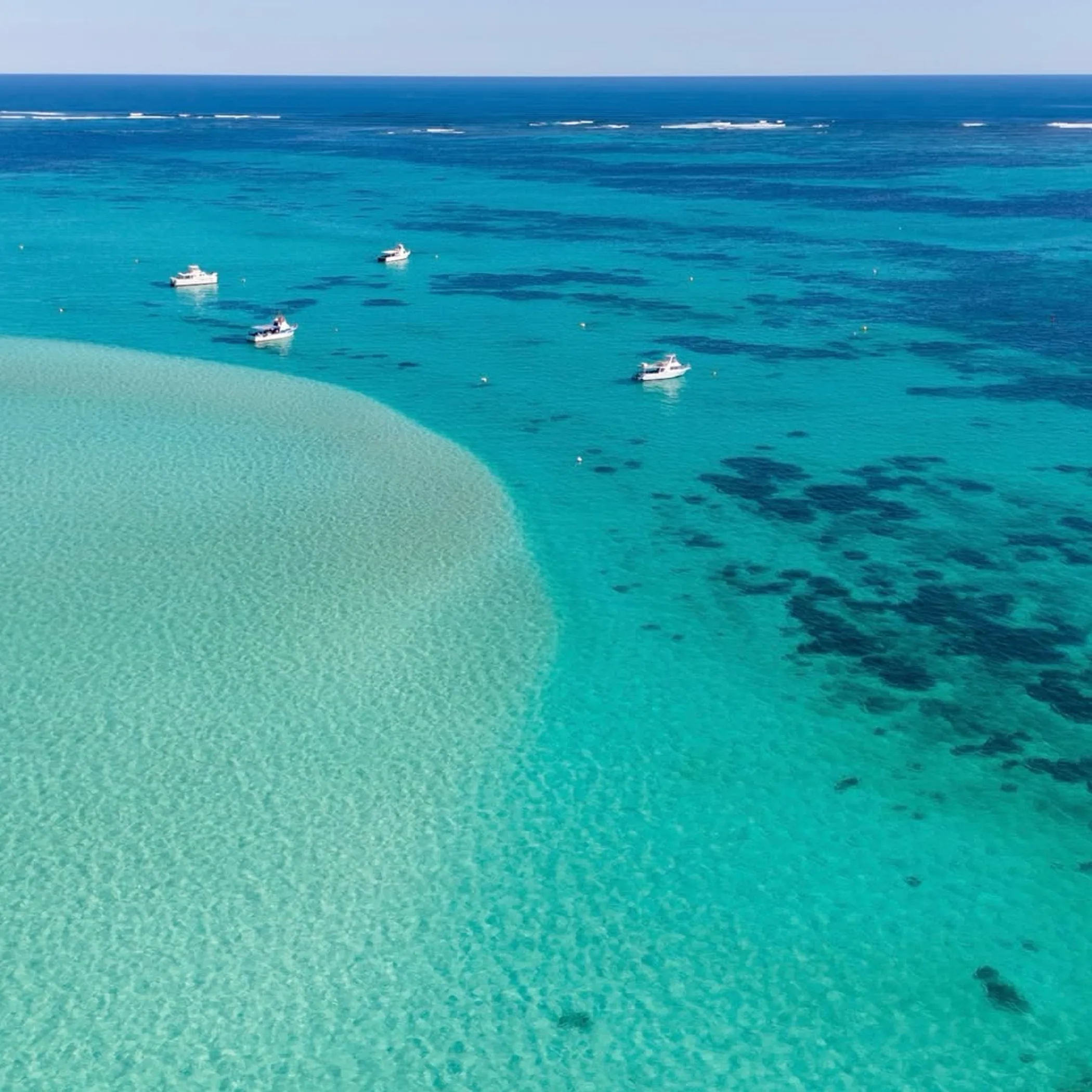
One does not need to be told that all reef snorkelling is not created equal. Yet it is the mistake most will make. What you require of your judgement and gear in a drift snorkel at Turquoise Bay is not the same as in a bay off Perth.
To paraphrase myself, let the location be dictated by your confidence and not some holiday fantasy. For the novice, look for a spot with parking and an easy way in and out should the sea get rough as guts.
Who we have in mind with this guide
It is aimed at the self-guided shore entry or guided tour taker, the confident swimmer, the family with older kids and the odd holiday snorkeller. If open water makes you panic, you are not at ease floating or have any medical concerns that would put prolonged swimming at risk without a professional’s say so, then this is not for you.
Reality check
You may imagine turning up and putting a mask on to glide over pristine coral for a couple of hours. In reality you could be faced with wind chop, a car park at capacity by mid-morning, hot sand underfoot, fins that are like medieval instruments of torture and a fogged mask. Do not let that put you off, just have the sense to prepare properly instead of being swayed by a brochure.
Timing is everything
More than first-timers might think, the season is of consequence in WA. Be it the water temperature, the cyclone season up north or the swell, it will determine how safe and pleasurable the experience is. When deciding on the best time for the reefs, consider the coast in question. Exmouth and Coral Bay are not the same as Perth, which in turn is nothing like the Abrolhos Islands.
A regional breakdown
Ningaloo Marine Park (Exmouth / Coral Bay)
Conditions here are at their most agreeable when you are not in the thick of the wet season in the north. Between November and April the north-west can be subject to cyclones and even if one is not on your horizon the wind and residual swell can put paid to your visibility.
Perth and environs
Settled weather with little wind is best, usually before the sea breezes pick up.
Shark Bay and the Abrolhos
Fine in the right window but unforgiving if the logistics do not work out.
| Location | Skill Level | Influences on Conditions | Notes |
| Ningaloo Reef / Exmouth | Beginner/intermediate | Season, wind, marine life closures | Access to the reef is good but you are at the mercy of the weather and the long distances |
| Coral Bay | Beginner/intermediate | Tides, wind, the crowds at peak times | Easier for a shore based outing |
| Turquoise Bay | Intermediate | Current and how you enter | The drift is well known but not for the weak swimmer to muck around in |
| Mettams Pool, Perth | Beginner (calm days) | Wind, swell | A metro alternative when things are gentle |
| Coogee Beach, Perth | Beginner | Crowds, visibility | An unassuming metro day |
| Abrolhos Islands | Intermediate/advanced | Exposure, boat logistics | More of an expedition |
Use Official Weather Data
Bureau of Meteorology marine forecasts for WA should be your first port of call before you head out. According to the Bureau, a marine forecast will tell you about the wind, waves and weather; that is the sort of information which determines if you have a relaxing day or put on a heroic act for nothing.
As a rule it is not dramatic weather that has people at a loss. More often it is a bit of poor visibility, an onshore breeze picking up, or a little extra in the swell that makes what should be an easy session some hard work.
A Spot To Suit You
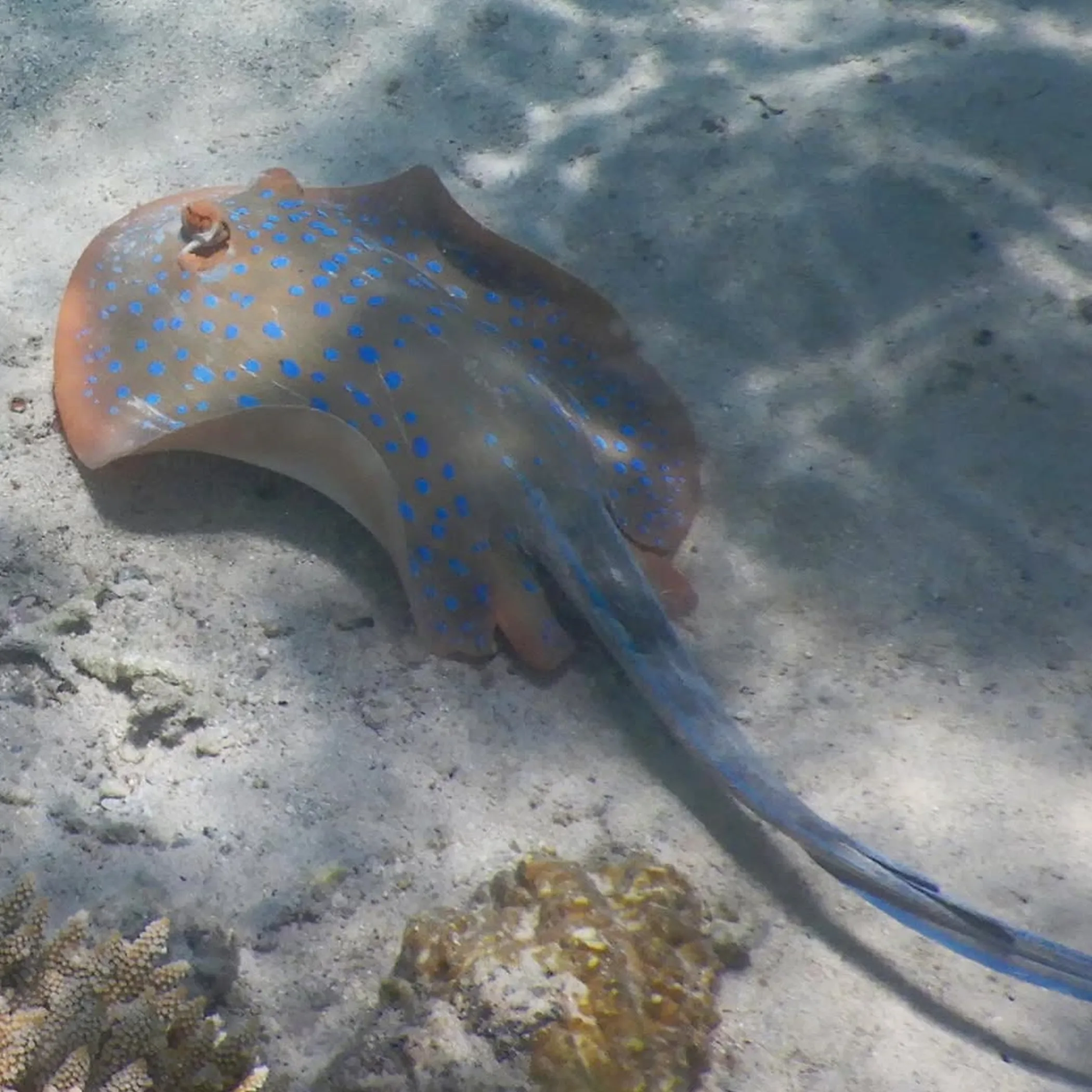
There are well known sites but they do not suit all travellers. The ideal place to snorkel is where you can get in and out of the water with no trouble and have a calm time of it, not end up as wrung out as a beach towel.
Rhys Simmons will tell you he has had his fill of seeing folk make their choice on the strength of a good photo and then waste half the morning asking themselves why the rest seem so much better organised and how far the walk is, let alone where to put the car. Do your homework and you will save yourself the exertion.
Ningaloo And Coral Bay
Ningaloo Reef and the Marine Park are the stars of the show for a reason. On the reef one can see strong marine life and coral not far from shore, with options for both guided and unguided excursions. For those who would rather not faff about between the car and the water, Coral Bay is more to their liking.
Should you have but a day, make for an accessible reef in Exmouth or go to Coral Bay, taking the word of a local operator or visitor centre. There is no point in trying to fit every beach in. A map does not do justice to the distances here in WA; a short cut will cost you a late lunch and half a tank.
Exmouth and Turquoise Bay
Drift snorkelling at Turquoise Bay is renowned and for good reason. Some, however, are apt to overrate their abilities there. Put in the wrong spot or become flustered and the current will have you moving along at a pace that is more effort than it is fun.
Confident swimmers with a good head for return routes will do well. But for a beginner on a windy day it is not recommended, social media posts to the contrary notwithstanding.
Options in Perth, Abrolhos and Shark Bay
The coastal waters of Shark Bay are rewarding provided you plan for the site conditions. With the Abrolhos Islands you are better off on an organised outing or being an experienced type that knows the ins and outs of boat logistics and weather windows.
For a shorter day, Mettams Pool or Coogee Beach in the Perth area are sensible. They are a good test run before you head north to the larger reefs and cater to city dwellers and families alike.
Have The Right Gear
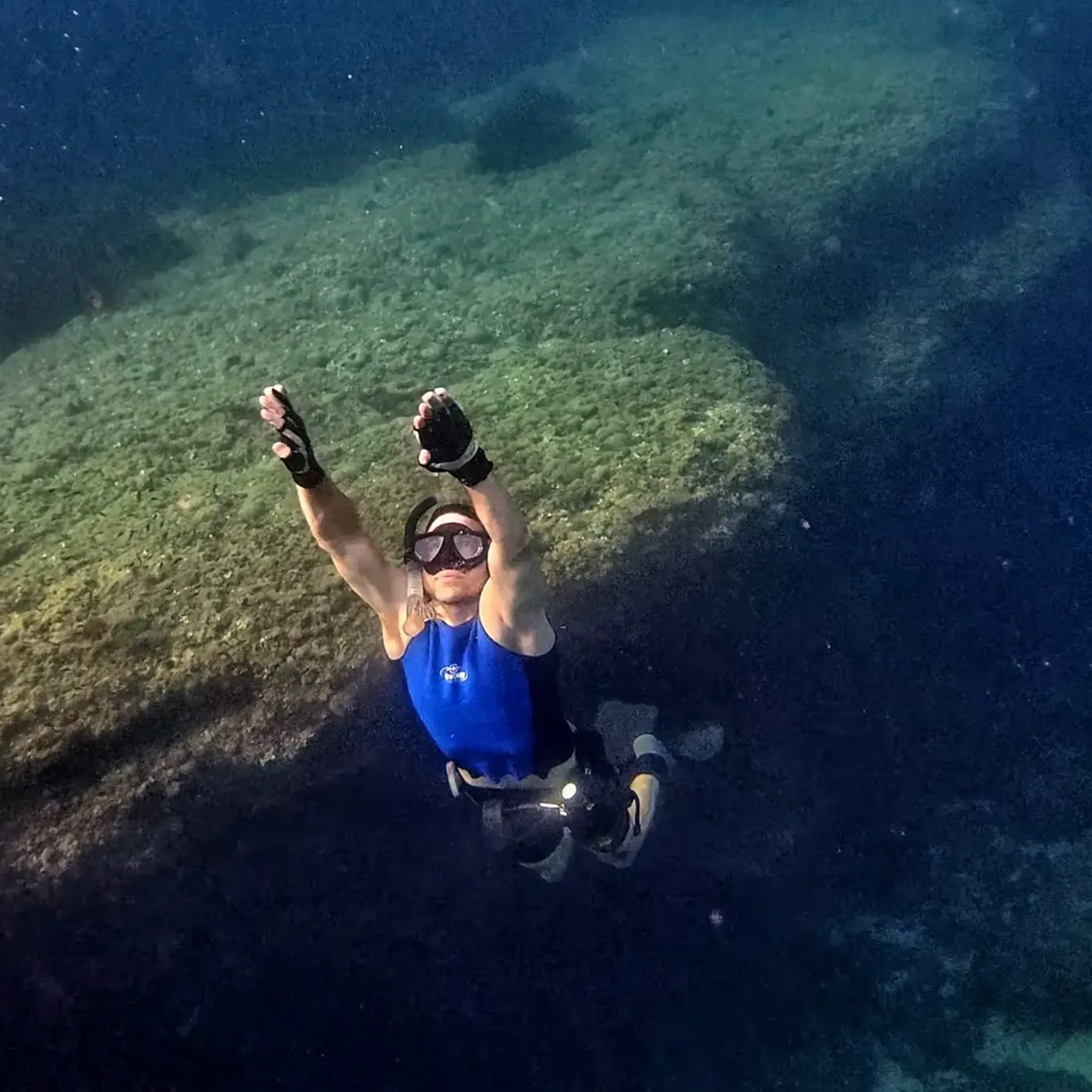
Properly fitting gear is essential, you do not want a floating tackle shop but you do need the right equipment. A mask that leaks, a bad snorkel giving you a jaw ache or fins that blister will cause all manner of misery for a novice and set off a panic in the water over something trivial.
When packing for Western Australia, put down the fancy gadgets and think in terms of sun protection, flotation, visibility and a dry set of clothes for the car.
Core Kit Checklist
A mask, snorkel and fins that are a good fit
Rash vest or stinger top
2mm or 3mm wetsuit for the odd cold spell or long session
Reef-safe sunscreen suited to your skin (the Australian kind)
Towel, hat, water and snacks
A buoyancy aid for the nervous swimmer
And a phone in a waterproof pouch if you can be sure of it, if not leave it behind.
To rent or not
Rental is fine if you are only out once a year. But I found to my annoyance that a rental mask can leak for twenty minutes and put you in a cranky mood, so if you have any misgivings about ill-fitting gear, take your own.
Hiring a basic set is as a rule less of an outlay than a tour, though a full-day guided trip is money well spent for the safety and local knowledge. Allow for higher prices in the regions than you would in metro Perth, transport being what it is.
Make No Mistake About The Sun
Even with a mild breeze the sun in WA is no joke. One is inclined to concentrate on the fish and forget one is lying face down under a heat lamp. Then there is the matter of thermal comfort; a cold swimmer will tire and make decisions he should not. Clothing is as much a part of safety in these waters as anything else.
Do you require a wetsuit for some Australian snorkelling?
The truth is, it depends. Up in the north where it is warm, many are content in their bathers with a rash vest over them. But put in a long session or head to the metro and southern waters in cooler months or when there is wind, and a 2mm or 3mm wetsuit will be welcome.
Then again, if an air-conditioned café sees you put on a jumper, make no mistake, you will want one. All the more so for boat excursions or when you are making repeated entries into the water.
Effective Sun Protection
Where it is called for, apply your reef-safe sunscreen but do not put all your faith in it. You will be better off with a hat for the shore, a long-sleeve vest and by keeping out of the water at the height of the day than with a once-over application of lotion and leaving it at that.
The common error is to put on sunscreen too late, forget the back of the neck and legs and not put any more on after towelling down. One finds out about that kind of oversight on the drive home.
If you have fresh body art, follow A simple way into Carole Pivarnik Tattooing care guidelines and keep your healing skin out of the salt water and intense UV rays.
Make A Study Of The Conditions
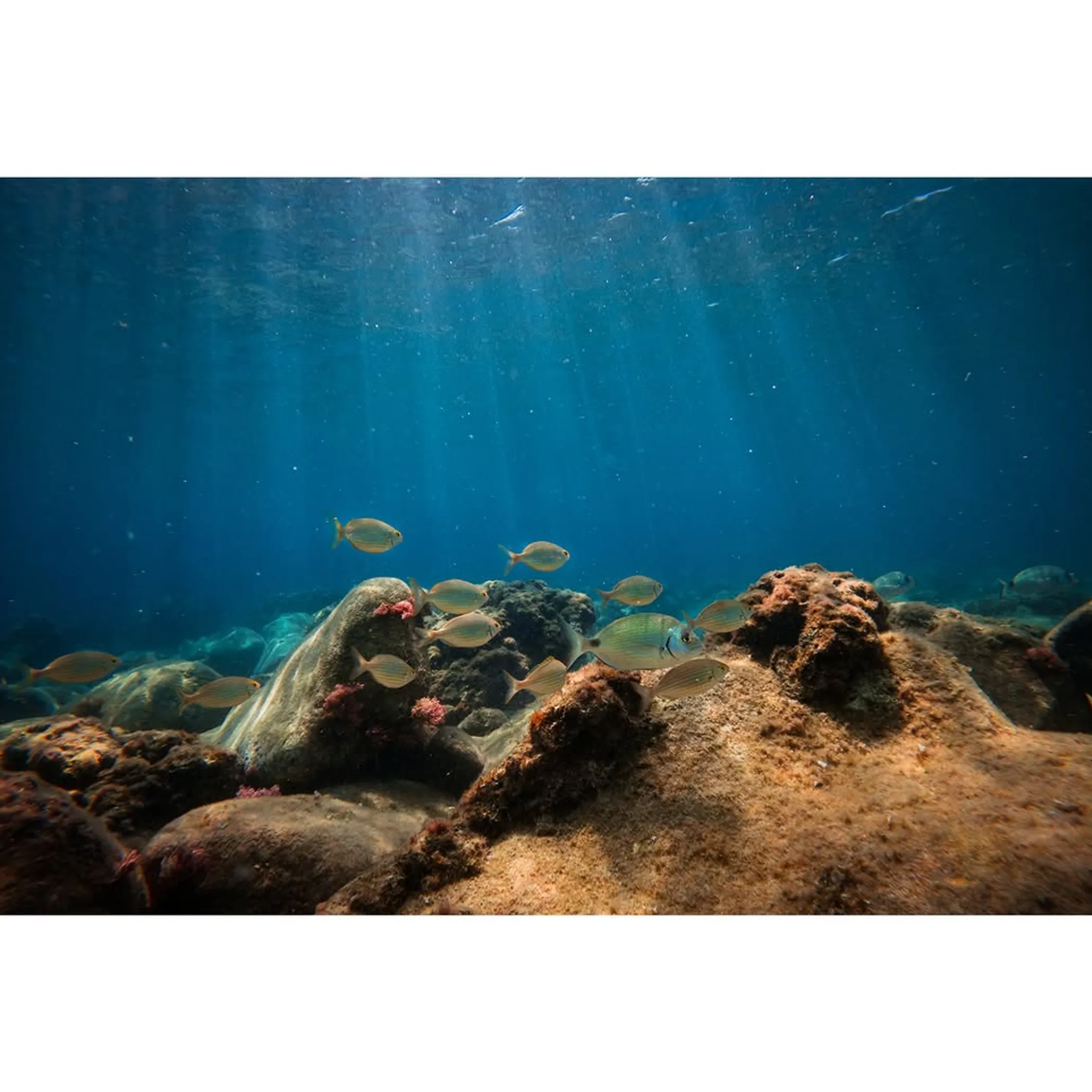
You can tell the difference between a good outing and one that could end in a rescue by how well you read the beach as opposed to your booking confirmation.
Take note of the swell and marine weather, the tide, rips, currents and what the visibility is like, and how easy it will be to get back out. Should the entry appear unappealing from the vantage of the shore, let that first impression have more weight than your enthusiasm.
Be Aware Of Local Hazards
Before you go in at a shore site, give the water ten minutes of your time. See where the other swimmers are, check for any murky areas or waves with a sideways sweep. Turquoise Bay will show no mercy to those who make up a plan as they go along; it favours those with an eye for the drift.
A small swell at a Perth metro beach can be enough to make the reef edges tricky. In the north, current or coral may be hiding beneath deceptively calm water. You are more likely to run into trouble from bad judgement than from stingers or the odd fish.
Stick To The Buddy System And The Rules
Having a buddy system is non-negotiable. Should someone cramp or lose a fin or just get flustered, being alone in the water means there is no one to hand. Be near enough to be of assistance without putting such distance between you as to be on your own.
Respect the rules of Ningaloo Marine Park and the like. There is no point in standing on coral or feeding the fish or ignoring a closed area because of a desire for a photograph; the reef is protected for good reason and it will not recover from it.
Put In Some Practice First
For a novice the answer is not to part with money for more gear but to get in some practice in forgiving water. Rhys Simmons would have you spend a quiet forty minutes at Coogee Beach or Mettams Pool before he would see you waste a day at Ningaloo having never been taught to clear your snorkel or to relax your breathing.
Breathing And Floating Basics
The theory of how to breathe is elementary: face down, body at ease, slow and steady through the snorkel, not lifting your head every few seconds in a panic. Yet in reality the beginner will be clenching his jaw and kicking like he has missed a bus.
Find some shallow water to stand in and float. Breathe while you are still and then take to your fins gently. When that is second nature you will be in a position to handle open reef water.
Mastery Of Entry And Exit
Beginners tend to have problems with a shore entry. Make use of a sandy channel rather than walking over the reef, have a hand to shield your mask and go in between the sets of waves. Coming out, do not be in a hurry to stand up in choppy water, keep your cool and watch the sets.
It is fiddly work and that is the case for practice. A person can be a fine pool swimmer and yet be very awkward on a reef edge.
See To The Logistics
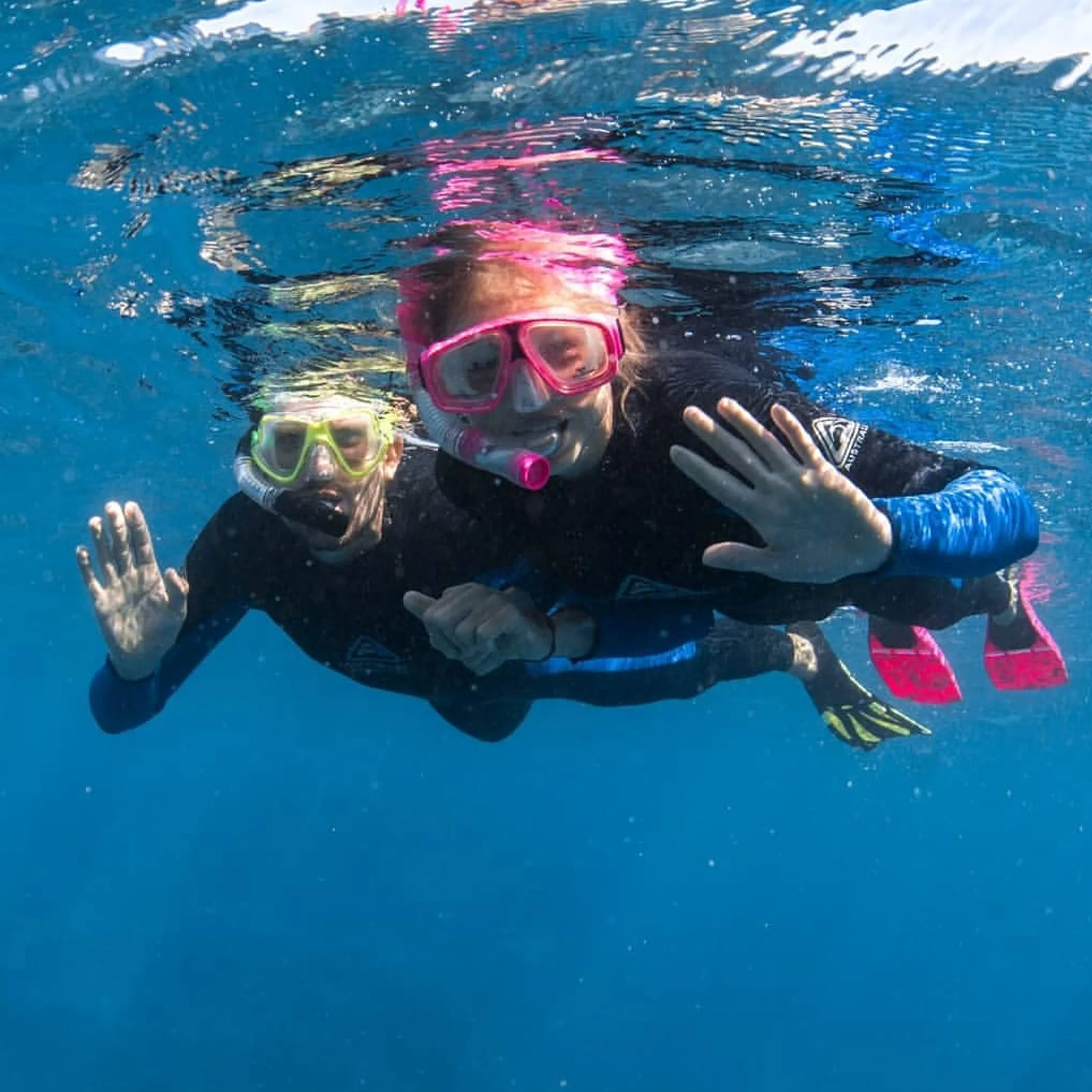
In a state as big as WA with regional services at a distance, you do not want to be running late, particularly when the morning is apt to be the calmest. Proper logistics are what will make for safer and less expensive snorkelling. A lot of travellers put too little stock in drive times, or how fast a car park or some tour attraction is going to be taken. Then you have a coffee that takes its time and make an unscheduled trip to the bakery and your window for calm water has gone.
Transport, Access, Timing
There is no better way to have flexibility on an outing to Exmouth, Coral Bay or Shark Bay than with a car. Costs for fuel, food and a place to stay will differ from town to town and with the season; in remote WA they are more of an outlay than one might think. You will find the parking at a well known snorkel beach goes early when it is busy, so get up and go rather than tarry in bed for half an hour.
Make a plan to put in your gear, see what conditions are like and get in the water without any hurry. People will tell themselves it is a ten-minute job as they are looking for their keys, but in reality it is not.
When To Go With A Guide
If you are on your own, short of time, a novice or in more exposed parts of the country, a guided snorkeling tour is usually preferable. The price is higher but you are buying into the local judgement and support with gear, not to mention getting to places that are safer or of more interest given the day’s conditions.
The operators pick up on things the rest of us do not: the beaches that get sloppy once the wind shifts, an entry that is no good on a rising swell, and the occasions when a beginner is best told in polite terms to leave it for another day.
Use This Final Water Check
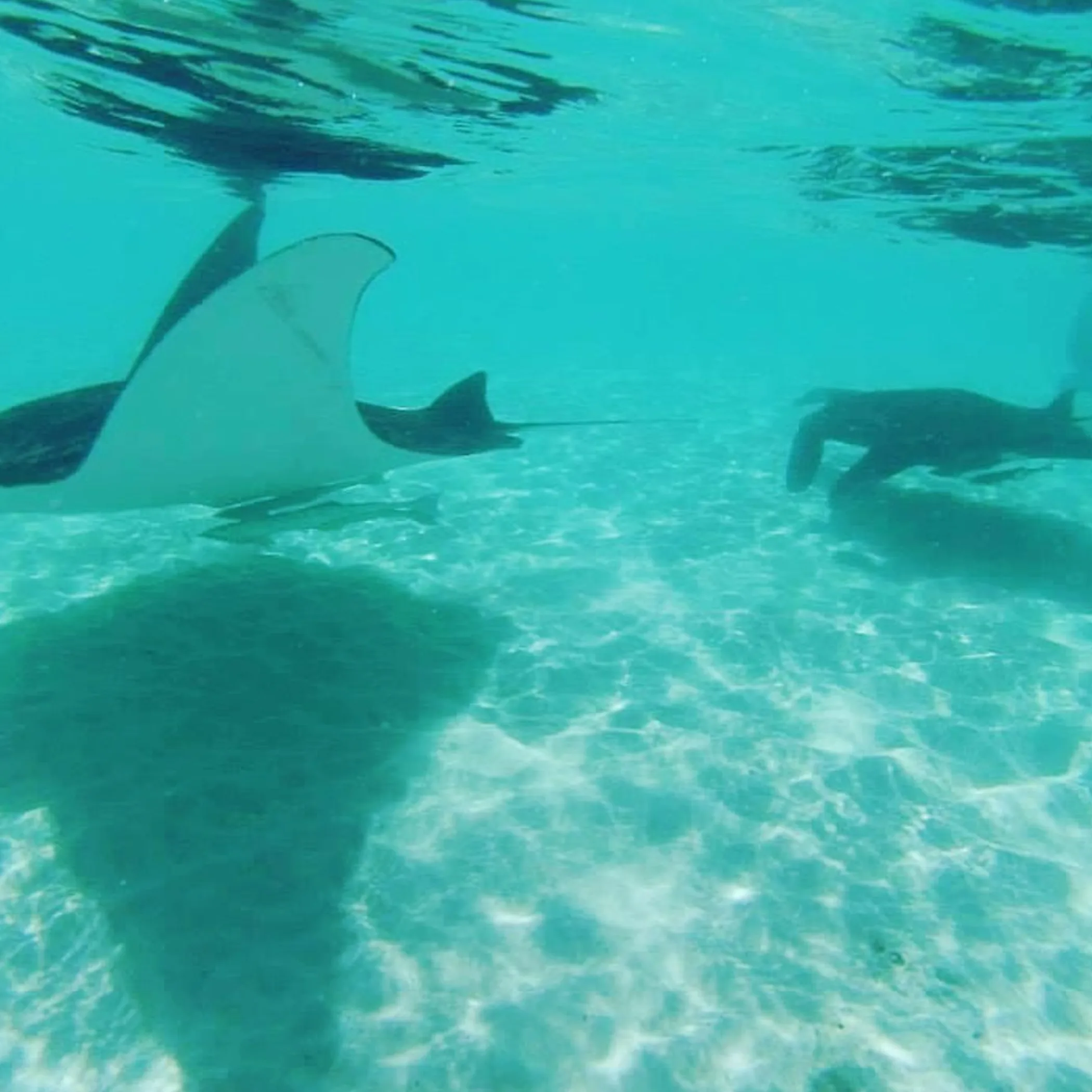
One minute is all it takes and it spares you a good deal of nonsense. I would like to see more holidaymakers in the habit of it. It is far more sensible than bravado.
Is the weather and the swell still right?
Do I know where I am getting in and out?
Is my buddy system partner aware of the plan?
Will my mask defog and sit properly?
Have I the energy for a comfortable return?
Common Sense Is All You Need
Preparation for a bit of snorkeling in Western Australia is not done in style. It is useful, if a touch dull: pick your spot, have the proper gear, check conditions and be aware of what you can do. That makes for a good outing rather than a hoped for one.
Western Australia will oblige the traveller who is prepared. Be it the waters around Perth or Ningaloo Reef, the ones who make the most of the day are those who do not let their ego dictate the plan and keep things simple.
Frequently Asked Questions
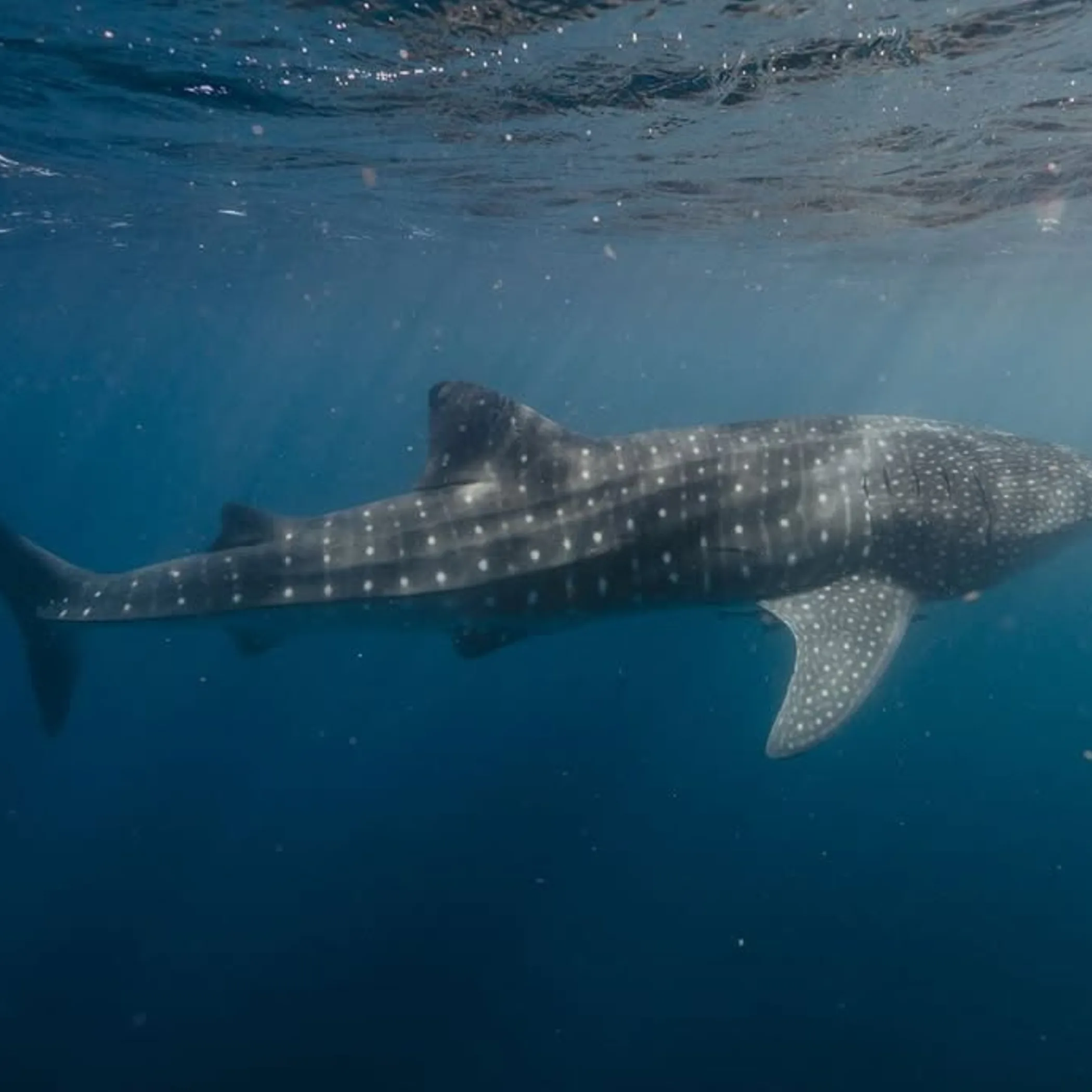
Once the nerves set in and you have your gear on, these are the sorts of questions that come up. Understandable.
How To Steer Clear Of Shark Attacks?
You can never bring the risk to nil but you can cut down on it by not being in the water at dawn or dusk, shunning murky water and fishing activity, and heeding any local advice or closures. Most will never have an incident with a shark but to be complacent is a mug’s game.
Is It Hard For A Beginner?
In shallow, protected water with the right equipment and some practice it is easy enough. Put a beginner in current or poor visibility with a leaky piece of kit and it is not. Start off small.
Is A Wetsuit A Must In Australia?
Not of necessity. Down north in warm water a pair of bathers and rash vest will do for many. But in the cooler, windier weather or for a longer session a light wetsuit is more to be recommended for comfort and safety.
Beginners And Breathing
Face down in the water, float and take slow, steady breaths through the snorkel. Do not kick hard, relax the jaw and for the sake of it try it in the shallows first. Should you become anxious, put your back to the water or stand and have a reset.
Where Is The Best Place To Snorkel First In WA?
Coogee Beach and Mettams Pool near Perth are sound options for practice in calm weather. Further north you will find the snorkeling at Coral Bay is a friendlier proposition to begin with than something more open to the current.
