It is no small matter when it comes to the safety risks of an unregistered or unqualified injector in Australia; after all, a cosmetic injection is a medical procedure, not some expedient beauty service. One without the proper credentials can put you in the way of avoidable trouble, from severe infection and vascular occlusion to nerve damage, permanent blindness and a face that will never be symmetrical again.
I am Rhys Simmons, my writing on wellness, practical beauty and the like is in plain English. With injectables I would argue for a more sensible approach to selecting your practitioner. There is no value in a bargain appointment if it means you are in the emergency department with a compromised blood vessel or have to undo the work of a counterfeit product.
Cosmetic Injections Are Medical Procedures

There is a simple fact to grasp: these treatments call for clinical judgement as well as anatomy, medicines and needles. Botox and dermal fillers will give you the cosmetic result you want if they are properly prescribed and put in, but there is an element of risk.
Before any treatment a good practitioner should be looking at your suitability, health, allergies, medications and what you hope to achieve. They will set out the alternatives, aftercare and what to expect as well as potential complications. This is part of prioritising safe practitioner selection. That is what informed consent is about, not a hasty signature while the syringe is being made up.
Beauty Services Need Clinical Oversight
By way of clinical governance a clinic has safe systems in place for everything from consultation and storage of products to hygiene, documentation and how they respond to an emergency. A reputable operation will have the batch details on file and know exactly what was injected and where.
An unqualified injector might be without the education to spot an early sign of tissue damage or identify the relevant nerve and blood vessels. Nor will there be any dependable means of getting an urgent medical review. All the niceties of a clean waiting room and an Instagram account do not make up for a lack of clinical training. The mozzie is small but put a needle in the wrong spot and the problem is of a different order.
Risks Of Unqualified Injectors
You could be left with an uneven result, but poor technique, unsuitable products and a failure to act in time can escalate a minor procedure into a medical emergency. It is where the injector is full of confidence yet has nothing in the way of training, product knowledge or registration to show for it. A ring light is not a qualification.
What Can Go Wrong
They may go too deep, overdo the product or overlook a medical issue. An unregistered injector might not enquire as to whether you are on blood thinners, are pregnant, have had prior procedures or an active skin infection. Hand hygiene and equipment that is not up to standard are a vector for bacteria. And if aftercare is not forthcoming you will be none the wiser as to what needs attending to.
Symptoms such as pus, fever, blistering, cold or pale skin, visual disturbances, a bad headache, trouble with speech or breathing, or redness and swelling that is getting worse are cause for a prompt medical opinion.
Who Should Avoid A Cheap Appointment?
Exercise caution when the offer comes from a hotel room, private home, market stall or party venue and the person cannot put their registration and clinical arrangements on the table. Secrecy and missing paperwork are red flags even if a low price in itself is not proof of unsafe practice.
Do not put stock in an injector who will not put his name to the product or its packaging, puts you off asking questions or is of the mind he can guarantee a result. No one with ethics will tell you every patient is going to come out the same. Faces are not flat as a pancake and neither are the results.
Complications From Cosmetic Injectables
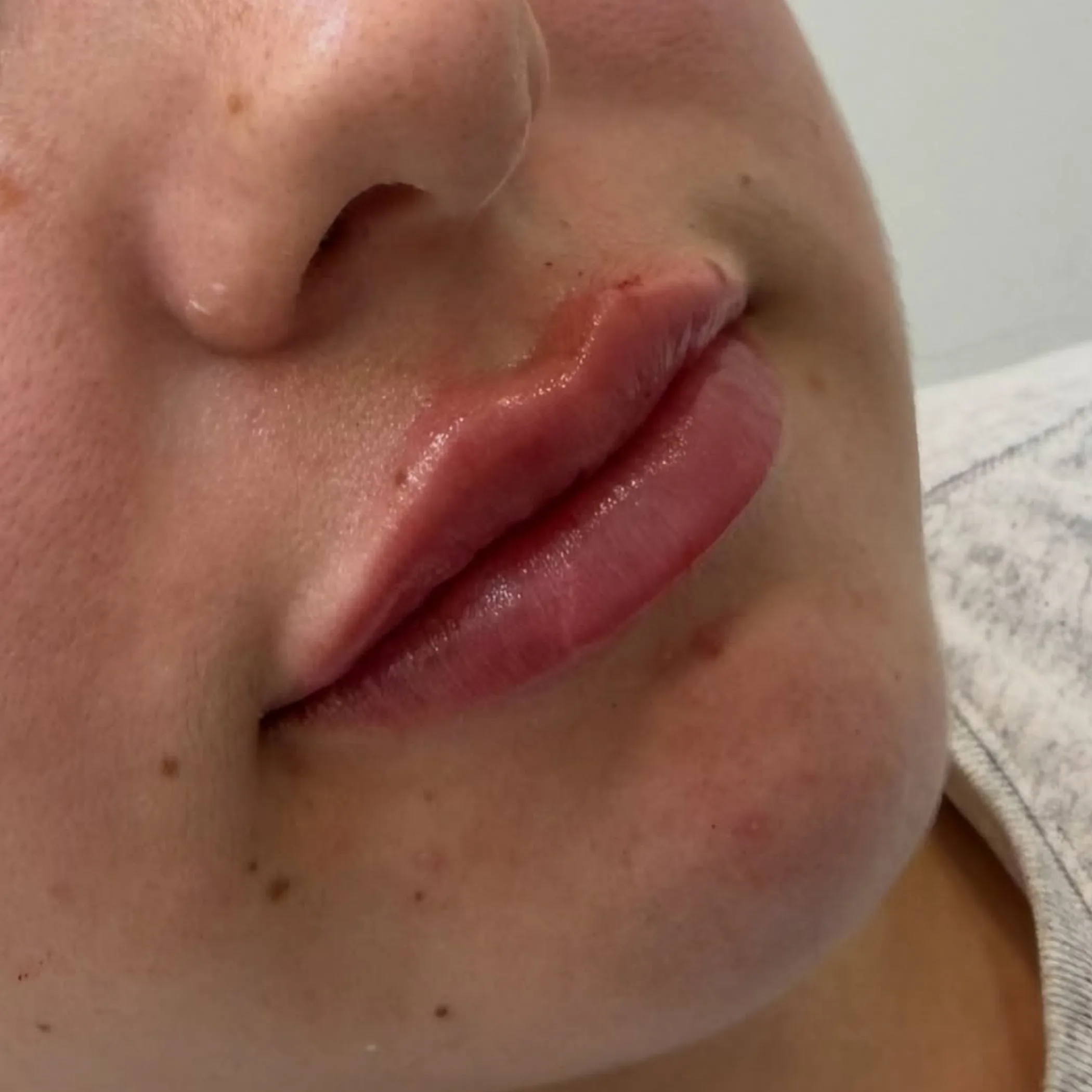
The consumer in Australia should be cognisant of the risks, which can be anything from bruising to something quite devastating. What makes the difference is not the drama of a symptom but whether it is linked to pain or a change in function and is on the increase. Some side effects are to be expected and pass in time, others are a sign of a blocked artery or serious infection. A guide to potential problems
| Possible problem | What it may involve | Why prompt care matters |
|---|---|---|
| Bruising, redness of the skin or some swelling | There may be a little bleeding or inflammation at the point of injection. | For the most part this will resolve itself, though any deterioration in symptoms warrants a review. |
| Lumps or asymmetry | An uneven application of product can lead to an undesirable cosmetic outcome or swelling. | In such instances one may have to be assessed and put under observation or given corrective treatment. |
| Severe infection | Should pain, fever, heat, redness or discharge set in, do not ignore it. | An infection has the capacity to spread and could call for urgent medical attention. |
| Vascular occlusion | This is where a filler compresses or makes its way into a blood vessel. | It has the potential to harm the skin and on occasion eyesight is put at risk. |
| Vision changes or permanent blindness | Any change in vision, including permanent blindness from rare complications with blood flow in the vicinity of the eye. | Is grounds for an immediate emergency assessment. |
| Nerve damage | Pain, weakness, a loss of feeling or change in movement are signs | That require a clinical evaluation to determine the proper course of action. |
Botox is not the same as Filler
The risks with a Botox injection are of a different order than dermal filler complications. Botulinum toxin’s function is to put a temporary check on muscle activity; if the dosing or placement is off, you can end up with facial weakness, drooping, an odd expression or uneven movement. More serious consequences are rare but possible.
With dermal fillers, which are there to provide structure or volume, one can see lumps, swelling, delayed inflammatory responses or even migration and infection. The gravest issue is vascular occlusion and the reduction or blockage of blood flow. If the vessels to the eye are involved, tissue damage and in rare cases permanent blindness can result.
While these are uncommon events, they are not impossible. A good practitioner will make sure you are aware of them prior to any treatment and have an emergency plan in place. If the more serious risks are waved aside as “just some swelling”, then leave.
The added peril of Counterfeit Products
Black-market injectables and counterfeits are a source of uncertainty. There is no telling if the packaging has been tampered with, if the product was put together and put away properly or if it is what it says it is. An unapproved item may lack the right composition or strength, opening the door to toxicity, an allergic reaction or simply an ineffectual treatment. Do not be fooled by a professional looking package.
Verify the provenance
Before you are treated, put in a request to inspect the packaging and to know who is prescribing and doing the injecting. The practitioner will be able to put you straight on the storage needs, expiry date and the like. You should also be in possession of your treatment documentation and have a contact for afterwards.
The Therapeutic Goods Administration is the regulator in Australia for therapeutic goods, yet an advertisement or the mere presence of a product is no substitute for sound clinical practice. Even TGA approved injectables demand the requisite consent, assessment and follow-up.
Under no circumstances should one purchase injectables on the internet or have another person put in a product of your own making. That is an arrangement without the necessary safeguards to ensure accountability and authenticity.
Look at the registration

For the Australian consumer, the first step in vetting a cosmetic injector is to check his or her registration rather than pore over before and after pictures. The individual must be a registered health practitioner with the training to cover the scope of what is being offered.
One can consult the register at the Australian Health Practitioner Regulation Agency. But registration is only part of the equation; inquire as well into insurance, experience, how products are sourced and what the emergency arrangements are.
Safety checklist
- Make sure the practitioner’s name and registration are in order on the official register.
- Who is the prescriber and who will be at the needle?
- A consultation should take place ahead of the procedure, not in the middle of it.
- Find out what product is to be used and check the packaging.
- Satisfy yourself as to the clinic’s hygiene, aftercare and their emergency plan.
- If you are being hurried or cannot put in a question, do not go ahead.
Regulations vary from state to territory and standards evolve. The Medical Board of Australia and AHPRA have published guidance for their registered practitioners on everything from advertising to patient safety and informed consent.
Have a word before booking
You should be having a conversation, not being ambushed with a sales pitch. Allow for time to go over costs, risks, alternatives and what results to expect.
It is a mistake to think the injector is done once the needle is put away. Part of the service is proper aftercare and being able to get help. Put it to them: what happens when you are home hours away or it is after hours on a weekend?
Some questions to put to a practitioner
- What is your registration number and what training have you had for this?
- Did you prescribe the product and will you be the one to inject it?
- Tell me about the risks, both common and otherwise, for the area I am having done.
- How would you go about treating a severe infection or vascular occlusion?
- If I have pain, a colour change, trouble with my vision or the swelling gets worse, what do I do?
- Inquire as to the product of choice and how one might go about checking its packaging and expiry.
- Put to them the question of total cost, review or corrective treatment being part of it.
- Find out who is the point of contact in an emergency and when a follow-up is due.
Should the replies be couched in sales talk or come across as vague and defensive, consider that information in itself; there is no call for an argument. Make your thanks, put your things away and be on your way. On occasion a short walk back to the car makes for the best plan of action.
Dealing with Complications
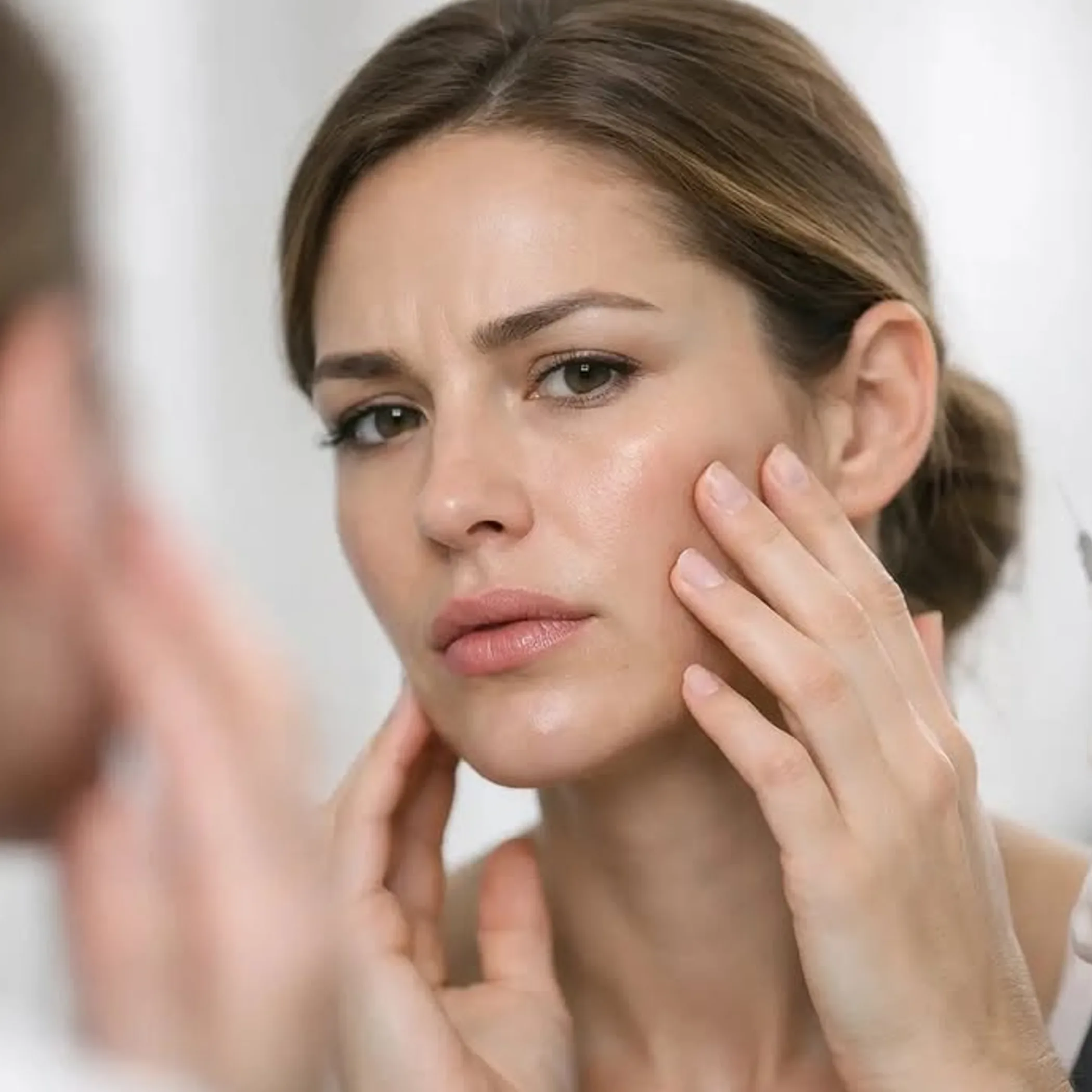
Any severe or fast moving symptoms in the wake of cosmetic injections are grounds for urgent medical help. You would want to regard vision problems, extreme pain, pale or mottled skin, facial weakness, trouble breathing, collapse or any indication of a serious infection as an emergency. For life-threatening matters call Triple Zero (000) without putting off the clinic for an answer. Have the injector’s details and product and treatment information to hand.
Matters Requiring Review
Do not hesitate to put in a word to the practitioner over unexpected pain, swelling that will not subside, redness, discharge, fever, new onset numbness or weakness and the like. It is advisable to have photographs on file to document the progression of the symptoms. Refrain from massaging the area or using another person’s medication unless so directed by a clinician.
In the event you have reason to think the treatment was unsafe, the product not genuine or the practitioner unregistered, hold on to the invoices, consent forms, packaging and any correspondence. A medical professional can advise on the proper channels for reporting. The Better Health Channel has general information to offer but is no substitute for individual advice or an urgent assessment.
Some questions are often asked
AHPRA Guidelines for Cosmetic Injectables
Standards set by AHPRA and the National Board cover registration, prescribing, advertising, supervision, patient safety and clinical records among other things. The specifics will vary with the jurisdiction and the practitioner in Australia. One would do well to consult the official guidance and not some summary on social media.
New Regulations in Australia
There is a mix of state and territory rules, therapeutic goods requirements and national standards that apply to cosmetic injectables. Patients are well advised to check with AHPRA, the TGA, the Medical Board of Australia and the appropriate authority for up to date information, as requirements are subject to change. Be wary of a clinic that cannot account for its compliance.
Botox Risks
Aside from bruising, a headache, some swelling or temporary drooping and asymmetry, risks are present. A case of wrong placement or dosing can alter facial movement by involving adjacent muscles. While not common, a serious reaction manifesting as difficulty with breathing or swallowing or other severe symptoms is to be treated as an urgent matter.
Is Permanent Blindness a Risk of Dermal Filler?
It is a recognised if rare risk, especially where blood vessels in the vicinity of the eye are involved. Do not put it off to see if it passes; sudden changes in vision, atypical skin colour or pain in the eye after the procedure should be assessed in an emergency.
Finding an Injector You Can Trust
You should confirm the prescriber and product, look into their training and experience and verify they are registered. See what the process is for aftercare and emergencies. An unregistered injector who is hard selling you or will not give you the details on the product is one to avoid.
Safety First

No medical procedure is free of risk, but a careful assessment, informed consent and good aftercare from a registered practitioner with a legitimate product will mitigate much of it. The rule is simple: ask your questions, be sure of the warning signs and do not stay if it does not sit right. Proper clinical care and accountability are what make a natural result worth having, along with a contingency for the unforeseen.
