Winter Pack GOR – SEO Title
There is really only one way to think about what to pack for a winter on the Great Ocean Road: you need warm layers, something to keep the rain off, good boots and a handful of sensible things for when daylight is short and you are behind the wheel. The Great Ocean Road winter conditions will be cold, damp and windy but not as unforgiving as in the alps; they are deceptively changeable though, and the coast has a way of feeling colder than the numbers would have you believe.
My name is Rhys Simmons. For those who want the quick version before we go through the whole list, make sure you have thermal base layers, a fleece or knit, a waterproof jacket, long pants, walking boots that can take a beating, some spare socks, a beanie, gloves, sunscreen and a thermos, plus the odd piece of roadside gear. You do not want to be caught out by wet lookouts or a sideways drizzle at the Twelve Apostles with nothing but a coat of fashion to your name.
What Winter is Like
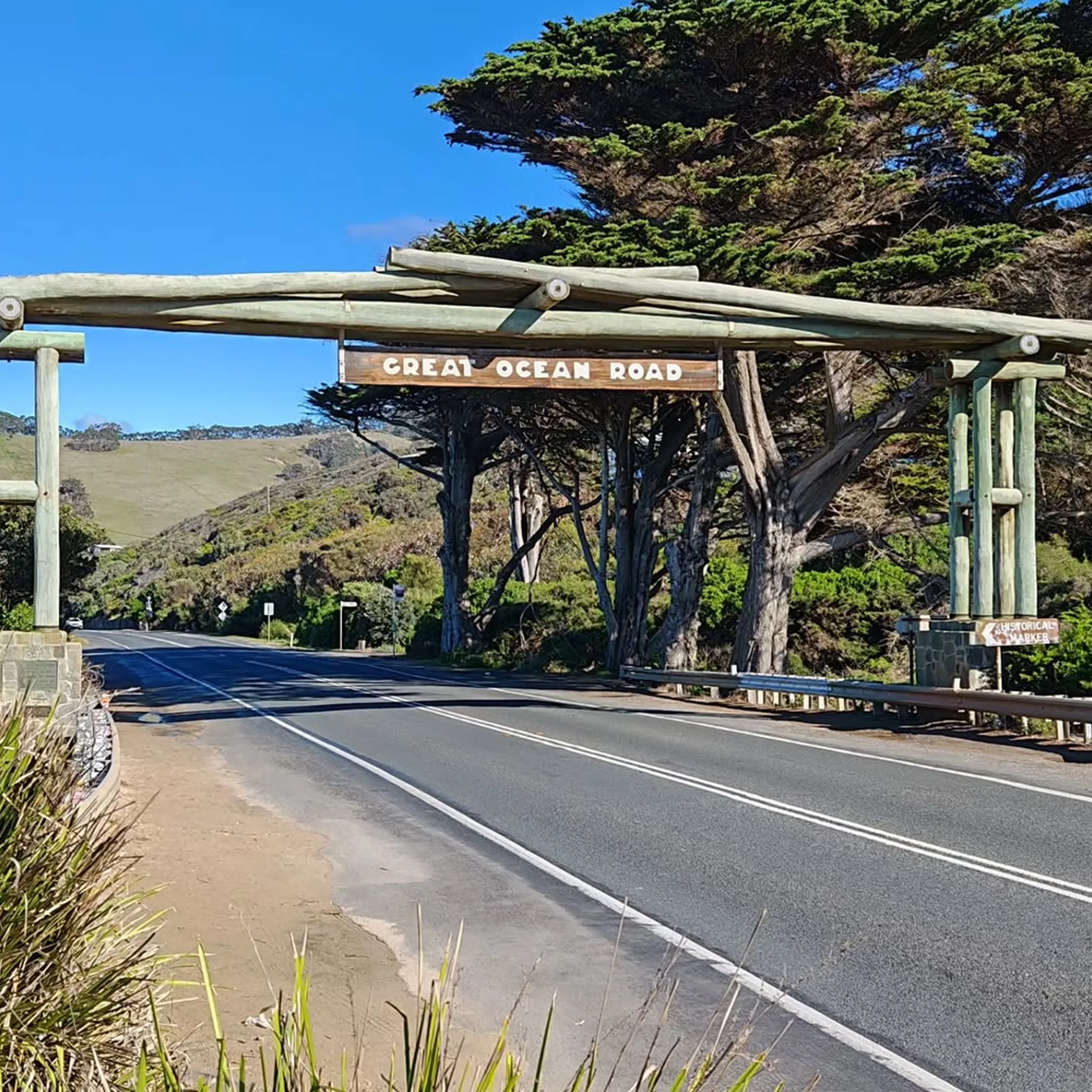
If moody coastlines and the occasional squall from the Southern Ocean appeal to you, then this part of Victoria in winter is fine. It is less crowded and more atmospheric than a summer run down the Great Ocean Road, but it requires a bit more forethought.
Do not be one of those who thinks it will simply be “cool”. In my experience the forecast is not what does you in, it is the wind from the coast. One hour it is calm and chilly, the next you are on an exposed headland like Cape Otway Lighthouse or the Twelve Apostles and it is rough as guts.
Expectation Vs Reality
You may expect to get by in jeans and a jacket with an occasional stop at a café. The reality is numb hands that put a stop to a lookout visit, misted windscreens, muddy car parks and damp cuffs. You can handle Great Ocean Road winter conditions but you have to dress for the eventuality of being still in the wind as much as for walking.
Then there are the advantages. The waterfalls and rainforest are at their finest after a rain and Logan’s Beach is prime for whale watching. And you will not find the tour buses at the big stops heaving with people as you might in other seasons, so the drive is all the more relaxed.
Some Things to Plan For
After a storm or if there has been treefall, access to the road and park can be affected. Do not let a lack of checking turn a loose plan into a long day. Consult the Bureau of Meteorology for any warnings and Parks Victoria for the latest on closures and conditions.
Dress in Layers
Forget the bulky coat, a system of layers is the way to go on the Great Ocean Road in winter. You will be moving from a hot car to a pub for lunch and on to a wet track and a windy vantage point; you need clothes you can put on and take off in a hurry. I would have an extra layer on me rather than put up with freezing ears and say I am alright. Think in terms of three parts: an outer shell, a mid layer and a base.
Base Layers
Thermal base layers are a must if you are doing any whale watching or the Great Ocean Walk, or want to be up for a sunrise. Merino wool is hard to beat as it is comfortable even when damp and will see you through several days of an Australian winter road trip without smelling of it. Cotton is not much use once it gets wet. A thermal top and leggings if you are prone to the cold, or just the top for a day trip if you run warm.
Mid Layers
Put a fleece, an insulated vest or a wool jumper over your base. Flexibility is key as a sheltered town can be mild and an open boardwalk a stone’s throw away is not. Two mid layers should suffice for a long weekend, a lightweight fleece and a warmer pullover or knit. That way you have what you need and are not lugging a mobile laundry basket in the boot.
Put on a Weatherproof Shell
If you intend to make frequent stops, a jacket that is windproof or waterproof is a necessity. Do not be fooled by a city raincoat of the cheaper variety; on this coast it will not stand up to the demands. The kind of winter one finds on the Great Ocean Road is more in the way of unrelenting drizzle, sea spray and hard gusts than a tidy shower.
Make sure your hood is secure in the wind and the cuffs can be drawn in. You want a shell with the capacity for layers beneath it; provided it goes over a fleece and thermal without issue, you are set.
Footwear To Cope With Mud

Your choice of footwear is what will determine the success of the trip if you put in some walking outside of the sealed lookouts. Winter on the Great Ocean Road has a way of making grassy verges into damp pitfalls and car parks gritty, while even an innocuous track becomes slick. I have made note of more than a few with smooth soled sneakers attempting to get through a puddle. It is hardly ever a graceful affair. Proper boots and good socks are the way to go in these conditions.
Shoes For Walking And Stopping
For the Great Ocean Walk, the grounds of Cape Otway Lighthouse or any of the rainforest tracks inland, a pair of waterproof walking boots is the all-round answer in winter. A sturdy trail shoe will suffice for the odd town stop or short lookout, but in wet weather the waterproof boots most visitors have on are the prudent choice. Ankle support is something to consider on uneven ground; after a rain the compacted dirt and timber steps can be greasy.
Do Not Underestimate Socks
Wool-blend hiking socks should be in your pack, two or three pairs at least, with a spare in the day bag. There is little that will dampen your spirits like wet feet. When you have been out for a while and can put on a dry pair, the Great Ocean Road in winter is a better proposition.
And if you are following the packing list the Great Ocean Walk crowd would, think of blister care as being on a par with your socks. A foot-care kit is not much weight and well worth having.
Rain, Wind, Sun

It is not only the rain in a winter here. You have to contend with all three: the wind, the rain and UV that is deceptively strong. Even under an overcast sky the light can be enough to sting if you are out for hours. Some make the error of leaving sun protection at home because the sky looks dreary. The wind will lull you into not minding it but the UV is still there.
Outerwear Of Substance
The sort of rain gear required is a proper waterproof jacket, nothing with “water resistant” written on it. Should you be on your feet for twenty minutes or more, say on the Great Ocean Walk or out in the open by the cliffs, then waterproof overpants are sensible. Leave the umbrella in the car; on the coast the wind will turn it inside out in no time and it is just an irritation. A hands-free piece of equipment with a good hood is preferred.
A Beanie And Gloves Will See You Through
There is also sunglasses, sunscreen and a neck buff. Before you have located the nearest dunny you can have windburn and cold ears. Lip balm too, which is easily forgotten. The salt air and chill from the coastal winds make themselves felt in short order.
Day Gear Worth Having
You do not need an armful of things for the Great Ocean Road in winter but the right accessories keep the day from being a chore. They are often overlooked on the packing list for more clothes, until 10:30 comes around and your coffee is cold, the jumper is soaked and the phone has given up.
Car And Trail Essentials
For a map, camera, snacks and your layers a daypack with a rain cover is ideal. Your phone may have the mapping but I am not prepared to rely on reception in every corner of the Great Ocean Road when patchy service is part and parcel of travelling here.
Then there is the thermos, water bottle, power bank, a first-aid kit of sorts, tissues and binoculars. At Logan’s Beach in whale season a pair of binoculars is far more use than squinting, and patience is rewarded.
Photography
For the photographer in your party, a microfibre cloth, an extra battery and some dry bag or zip pouch for the electronics are things to have on hand. The kind of soft light and cloud formations you will find on the Great Ocean Road in winter make for fine shots, but so too do the spray, drizzle and foggy lenses that go with it.
A compact tripod has its place at dawn or dusk, yet one should be pragmatic in the wind. At the Twelve Apostles and other exposed locations a lightweight model is apt to wobble as if it were a shopping trolley with a wheel gone bad.
Winter Driving
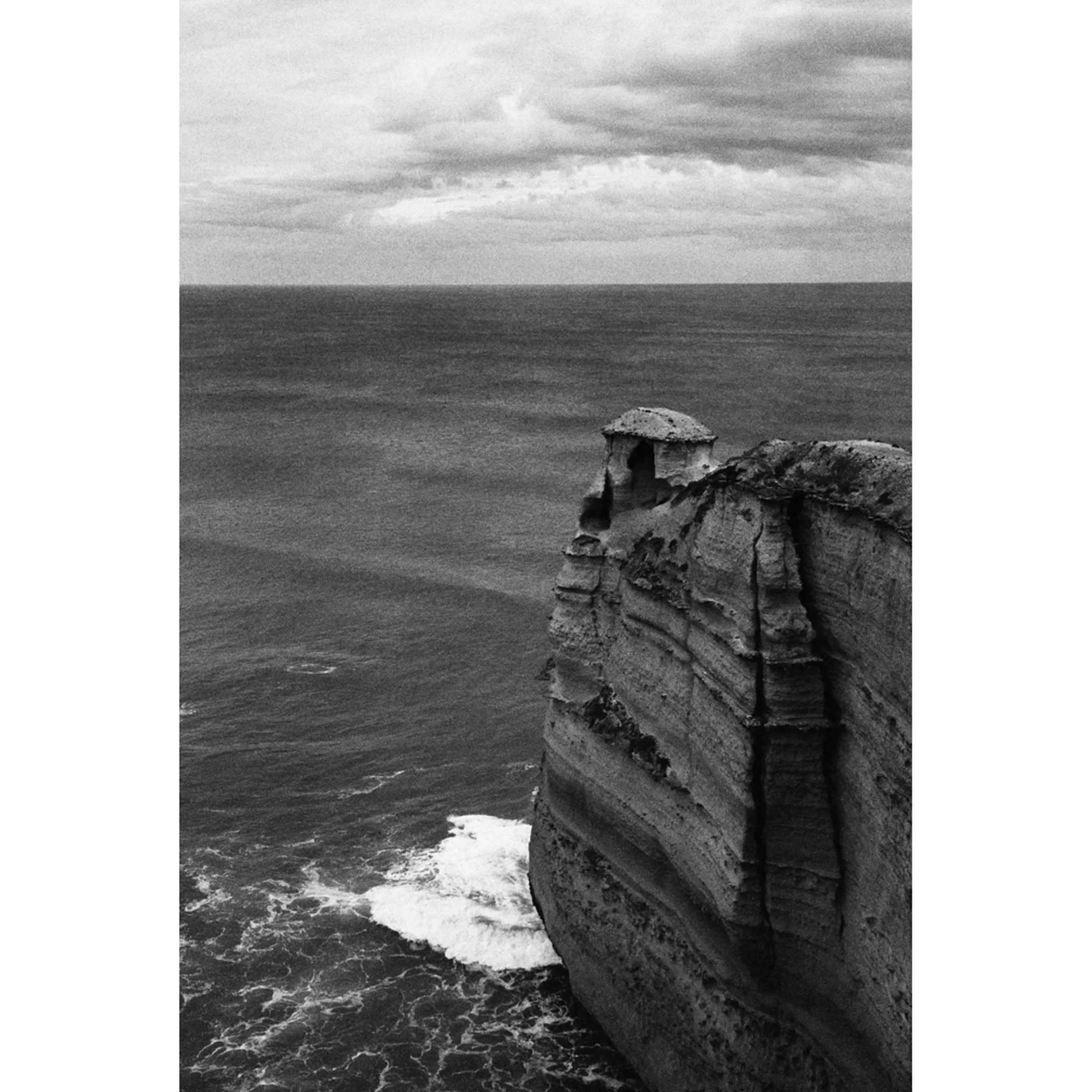
Most drivers will find a coastal run in the winter no great hardship, but it warrants more attention than in summer. On the Great Ocean Road there is wet bitumen, poor visibility, branches down and an early dark. There is also the lure of putting on speed when the next destination appears to be “just up the road”. In truth it seldom is.
The usual route from Melbourne is via Torquay heading west, although inland options exist. Should you be limited to a day, put your efforts into one part of the road instead of making a maniacal attempt to see it all on the strength of a servo pie and over confidence.
Pre-departure Checks
Put fuel in the tank for the long bits and do not count on every small town being convenient.
See that the tyres, wipers, lights and washer fluid are in order.
Have a car charger, torch and a basic roadside kit and make sure the phone is charged.
Put some offline maps on in the event of no reception.
Factor in time for rain, traffic and to put the camera to use.
A return from the Twelve Apostles to Melbourne in a day is a long haul once you put weather and food and the lookouts into the equation. The winter conditions on the Great Ocean Road have a way of slowing you down; consider it the trip’s way of saying to take it easy.
Parking And Access
There is formal parking at the likes of Logan’s Beach and the Twelve Apostles, though an exposed car park can be windy and underfoot slippery. Smaller places have their limitations and uneven ground. Do not be fooled by the road: paths, stairs and platforms may well be wet.
Those using the services of ANT Touring or Tasmanian Walking Company for a guided portion, or put up at a YHA or the Twelve Apostles Lodge, would do well to enquire ahead as to what is expected in the way of wet-weather gear and luggage. An operator will have a better sense of local track conditions than the average visitor.
Gear For Your Purposes
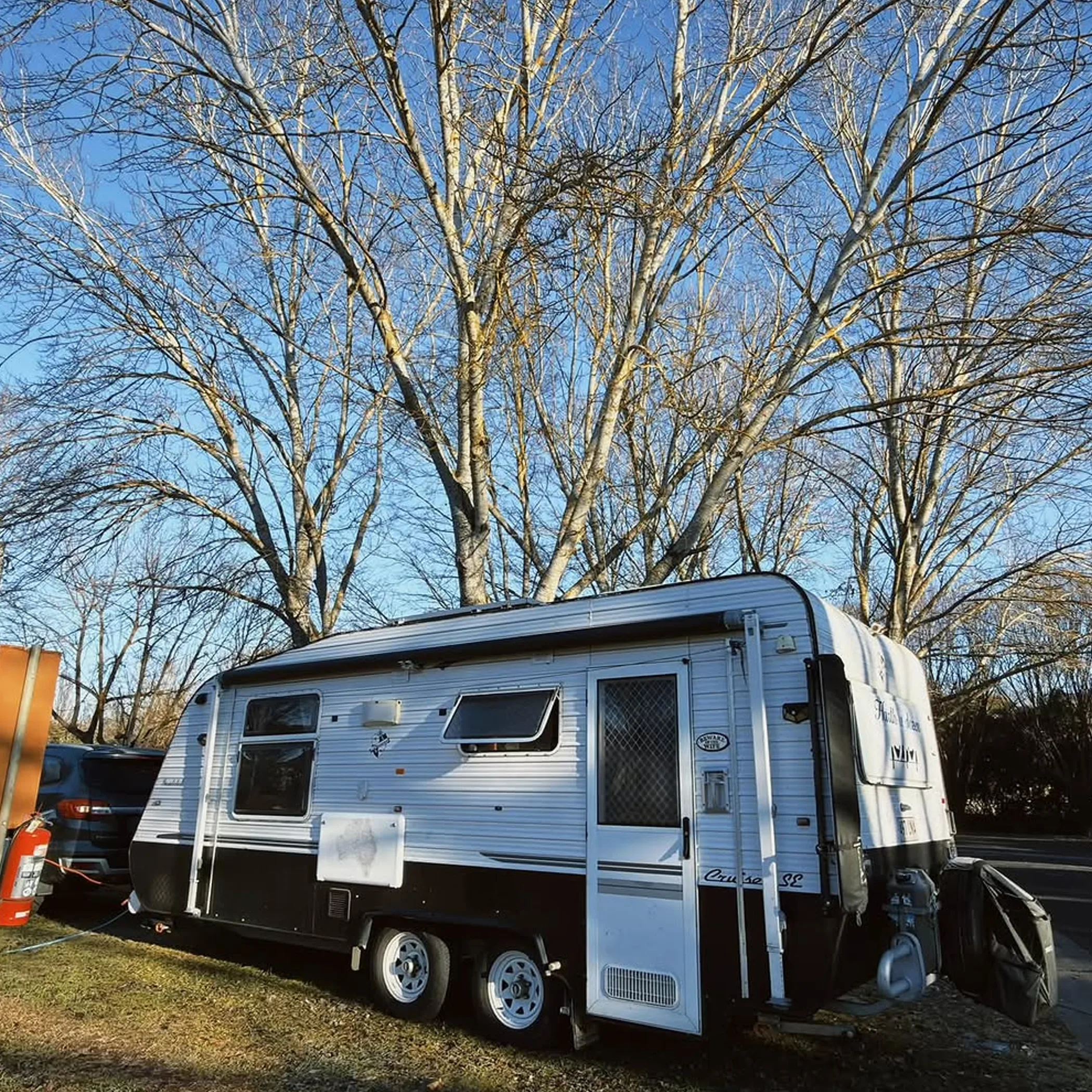
Your plans will dictate the kit required. One does not need the same equipment for a few scenic stops as for a day of whale spotting with a camera or some family sightseeing. It is a case of asking what one is doing rather than what everyone ought to pack; a Great Ocean Walk day and a quick hop to a lookout are not comparable.
Day Trippers
One day is enough to do the Port Campbell area with its formations and the Twelve Apostles, or perhaps the surf coast and rainforest side of things. To try and encompass the lot is joyless and tiring in these conditions. A thermos, snacks, a waterproof shell and good shoes will see you through. Marked lookouts and a short walk are adequate for the novice, provided the ground is not too slick.
Walkers And Whale Watchers
For the Great Ocean Walk or a protracted wait at Logan’s Beach, take more food than seems necessary, blister care and an additional pair of socks. Hiking poles if that is your way. You are not in any danger as a beginner but a long wet walk is less clement if you are ill equipped. Some muddy patches and cliff-edge paths are out of the question for anyone unsteady. With young children in tow, distance is less of a concern than cold hands and a slippery boardwalk.
| Trip Style | Best Gear Focus | Typical Winter Issue | Who It Suits |
| Lookouts And Short Stops | Warm layers, solid shoes, a waterproof jacket | Wind chill where you are exposed | Most, families included |
| Great Ocean Walk Sections | Rain cover daypack, merino wool socks, thermal base and walking boots | Mud, wet vegetation, time spent out | Those of a walker’s disposition |
| Whale Watching At Logan’s Beach | Windproof jacket, beanie and gloves, binoculars and thermos | Cold coastal winds while standing still | Patient wildlife lovers |
| Photography Stops | Lens cloth, spare battery, gloves, shell | Low light, gusts and the odd drizzle | Any who will bide their time for the right weather |
A Victorian coastal weekend does not call for the entire wardrobe to get by.
There is a case for being selective in what one packs on the Great Ocean Road in winter and not overdoing it; the conditions will put you right. The 3-3-3 rule of packing has its merits here.
In essence, it is three tops, three bottoms, three pairs of shoes, with some leeway for the weather and how long you are away. But for an Australia style short winter road trip I would pare it back to pieces that are quick to dry and layer without fuss.
The 3-3-3 Approach
On a two or three day outing my list would be: a thermal top, another two, a fleece and a waterproof shell, two pairs of pants, something to sleep in, a pair of walking boots that can take water and a casual pair for when you are indoors and dry. One does not need to make a fashion statement on the Great Ocean Road in winter, merely avoid getting cold and wet.
People make the mistake of taking a heavy jumper which is a nuisance to put under a shell and will not dry in a hurry. A merino wool or fleece system is the wiser option.
A Packing Checklist

Make a note of this, or put a screenshot through to the friend who is of the mind that July is still shorts weather. Having the basics in order before you even leave the driveway makes for an easier time of it. I have made no attempt to be fancy with this list. It is practical, none of the fluff you see in a catalogue.
Thermal base layers
Tops of merino or quick-dry
A warm mid layer or fleece
Windproof and waterproof jackets
Pants for layering
Waterproof walking boots
Wool-blend socks (and a spare)
Beanie, gloves
Lip balm, sunscreen and sunglasses
Daypack with rain cover
Thermos and bottle of water
Car charger and power bank
Booking details and offline maps
First-aid including blister care
Binoculars in whale season
Some protection for your camera
Torch and the like for vehicle emergencies
Any other essentials
Rhys’s View
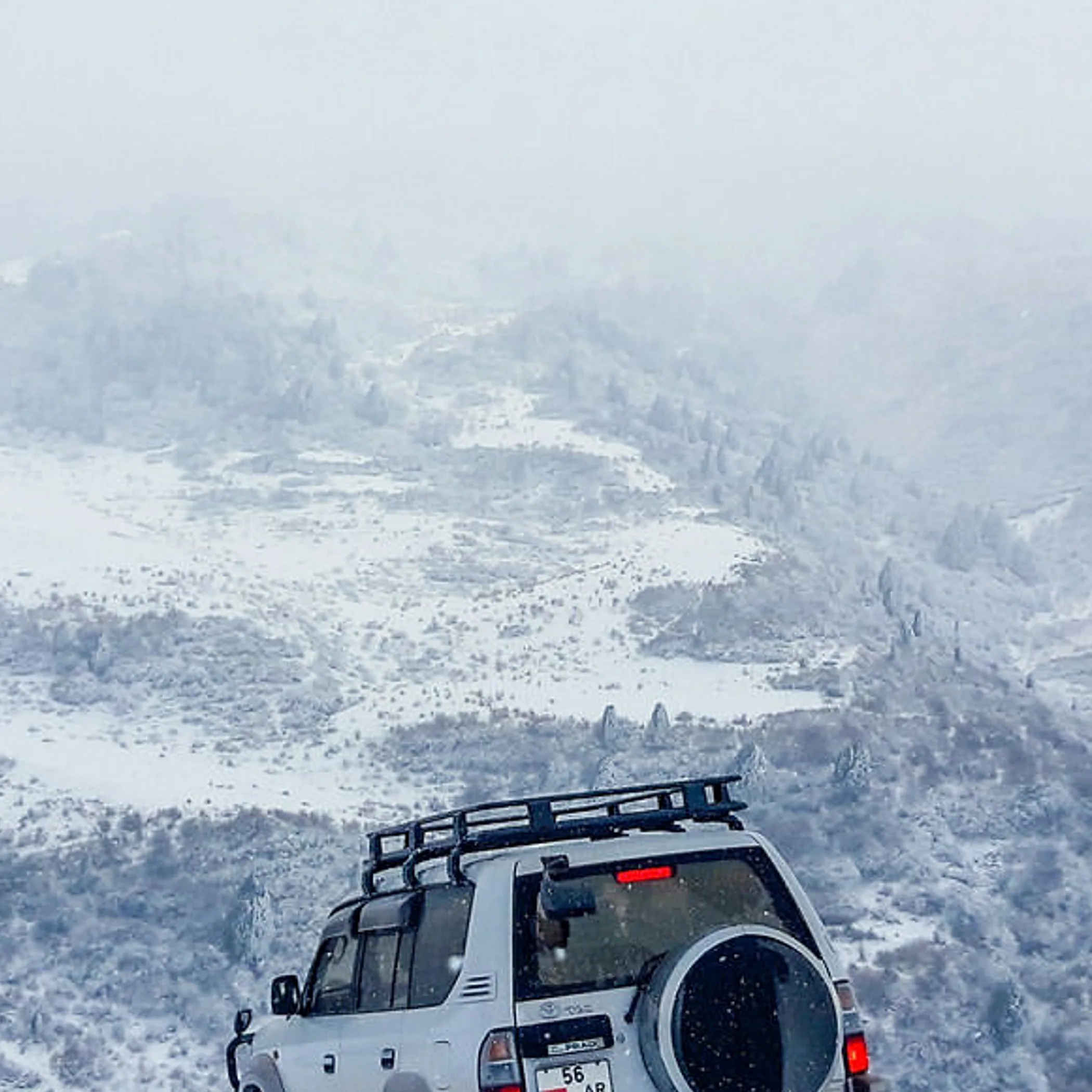
Those looking for guidance on what to pack for a winter run along this coast will find the answer is more utilitarian than they might wish: put on proper shoes and dress for the damp wind, plan for days that are longer and slower. In a way the winter conditions are what give the Great Ocean Road its appeal. You get a moodier coast, the towns are quieter and your stops are all the more memorable.
I am of the opinion that Rhys Simmons would put in an extra layer and a good pair of socks and a shell he can rely on rather than say “she’ll be right”. That attitude has been responsible for more than one unpleasant afternoon on this road in the depths of winter. Be realistic with your timing and pack well and it is a fine trip.
FAQ
Is The Great Ocean Road any good in the winter?
You will appreciate it if you do not mind the cold and the wind and want to be away from the crowds to watch the whales or see the green hinterland and the sea at its most dramatic. It is for the traveller who can be flexible and is content to put on a few layers.
What should you wear on a trip?
Your outer shell should be waterproof or windproof, with a mid layer of fleece or merino and thermal base layers underneath. Long pants, a beanie and gloves, and a change of socks are also advisable given the Great Ocean Road in winter.
How does the 3-3-3 rule work?
It is a matter of restricting yourself to three of each: tops, bottoms and shoes to keep things light and then making allowances. With items that are suited to wet weather and layer well, most will want to go beyond that for the Great Ocean Road.
For a winter road trip?
You will want your rain gear and warm layers, safe shoes, a thermos and some snacks, as well as a power bank and the usual vehicle requirements and offline maps. And check the forecast and whether any parks are closed before you set out.
Are waterproof boots a must?
For the odd town and lookout perhaps a solid shoe will suffice but if you are to be on the walks, the rainforest tracks or the odd cliff-top after a fall of rain, or doing some of the Great Ocean Walk, they are highly recommended. Waterproof walking boots are the better bet for comfort and safety in these conditions.
