From the hot, humid tropics of Darwin and Cairns to what one would find in Tasmania or the Australian Alps, the climate zones and weather patterns across the states are as varied as they are distinct. Put simply, northern Australia is divided into a wet and dry season, the south has four seasons you can put on a calendar, and the inland will see its share of big temperature swings for very little rain.
“Summer” is not a universal concept in this country, something I have come to know well since making the move from Wales in 2013. In Adelaide it is crisp and dry, in Darwin steamy; Melbourne might put you through four seasons before lunch and the Kimberley will have roads shut down by the rain. My name is Rhys Simmons and in this guide I set out how the climate zones work in Australia, the way the weather changes from state to state over the course of a year and how to factor in the heat, humidity and access when making plans.
A Closer Look At The Major Climate Zones
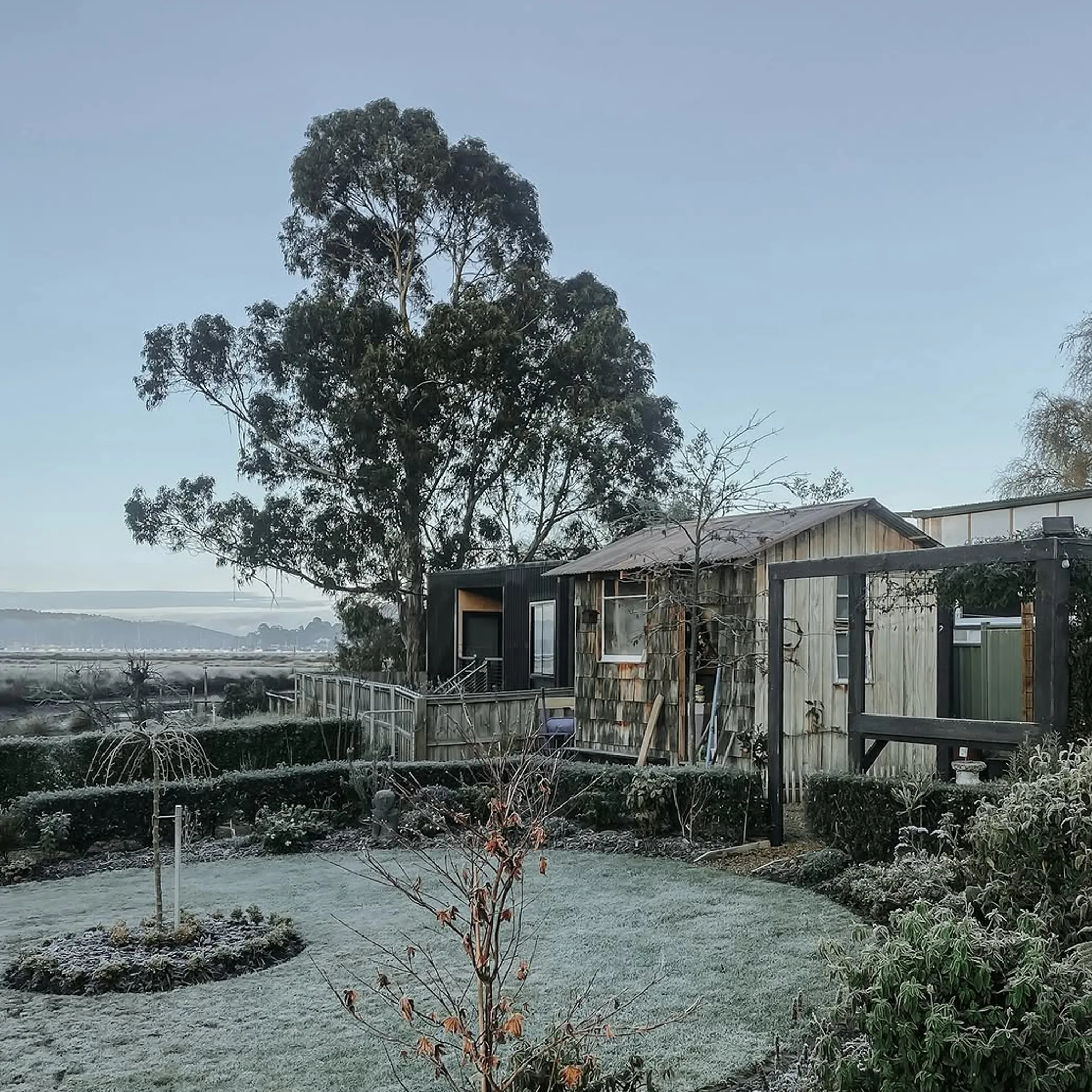
If you take a broad view of the map the classification of Australia’s climate makes sense: the north is tropical, much of the south-east temperate and the centre and west arid or semi-arid. For the most part coastal towns will be milder than their inland counterparts at the same latitude. See the ideal visiting seasons by region for more detail.
The Bureau of Meteorology has its observations and the Köppen system is a good way to compare regions but do not expect a map to stand in for a local forecast. There are places that do not fit neatly into a category and the weather has a habit of ignoring the brochure.
Eight Zones Mapped Out
When the question is put to me about the eight climate zones in Australia I will point to the equatorial, tropical, subtropical, desert, grassland, temperate, Mediterranean and alpine. They are labels for long-term trends in temperature and rainfall, not a prediction for any given Tuesday.
| Climate zone | Typical Australian locations | Main weather pattern | Travel consideration |
|---|---|---|---|
| Equatorial | Far northern islands and some coastal areas | It is hot and humid for much of the year | Make allowances for heavy rain and storms |
| Tropical | Darwin, Cairns and the rest of northern Queensland | There is a clear demarcation between the wet and dry season | The dry season is more conducive to being outdoors |
| Subtropical | Brisbane and parts of New South Wales and south-east Queensland | Summers are warm with humidity and storm activity, while winters are mild | Plan for summer humidity and storms |
| Desert | The Red Centre, central Western Australia and inland South Australia | Rainfall is minimal and day-to-night temperature differences are considerable | Have water, fuel and a means of communication |
| Grassland | Inland NSW, Queensland and South Australia | Hot summers, cooler nights and seasonal rain | Storms can alter road conditions |
| Temperate | Melbourne, Tasmania and the cooler hinterland of Sydney | Four seasons with moderate to cool winters | Layers are more useful than a single heavy coat |
| Mediterranean | Perth, Adelaide and the south-west of WA | Hot, dry summers and cooler, wetter winters | Watch for bushfire closures and summer heat |
| Alpine | The high country of Tasmania and the Australian Alps | Snow and cold in winter with rapid changes | Conditions can be hazardous outside the warmer months |
On Temperature And Rainfall
Latitude, elevation and proximity to the sea all have an effect on the temperature. Overnight a northern coastal town will be warm, an inland desert can be scorching in daylight and then quite cold once the sun goes down. So too does annual rainfall: the tropical coasts will have their intense summer downpours while the central deserts may not see a useful fall for a long time. The north and east get their rain in summer, the Mediterranean pockets of the south in winter. But the southern states are not immune to a summer storm and the north can have its dry periods. These are tendencies, not guarantees.
Regional Weather
Ocean currents, monsoons, the ebb and flow of pressure systems and the like dictate the weather patterns here. One can end up with a packing list for the comedy of it: a swimmers for Queensland, a jacket for Tasmania and warm clothes for the Outback are all perfectly reasonable on the same outing. The coast will moderate the extremes but also throw up stronger winds and the odd sudden storm. Inland it is drier, hotter in the day and colder after dark. Before you go, it is wise to read the park notices and check for any warnings or road reports.
North, South And Inland
A broadly tropical pattern is followed in the Top End, the Kimberley and northern Queensland. Come the wet season there is the humidity and thunderstorms and the possibility of a cyclone to contend with. The dry season brings its share of hot days but for the most part one will find lower humidity and clearer skies.
There is more to the seasons in the southern capitals. Sydney and Brisbane put in a milder winter than you would see in Melbourne, Hobart or Canberra. Adelaide and Perth are wont to have hot and arid summers giving way to a wetter winter. In the Red Centre the cooler months can be agreeable by midday if not for the cold that sets in after dark.
Common Traveller Errors
To think of Australia as a single weather destination is the error most often made. One might depart Melbourne with a jumper on and be in Darwin needing water the moment they land, only to find a northern road trip scuppered by the wet season.
Then there is the idea that the hottest month is invariably the worst time to go. That is not always so; aside from the heat there is the question of smoke, tides, daylight, rainfall and cyclone alerts. With the cyclone season in the north running from November through April, it is well to have some flexibility in your plans and heed official warnings.
Weather in New South Wales

New South Wales has everything from hot inland country and dry western plains to the snow on the mountains and temperate cities on the coast. Do not make the mistake of assuming Sydney’s coastal climate is any guide to what is happening in Broken Hill, the Snowy Mountains or the northern rivers.
Spring and autumn are a comfortable proposition for the majority of visitors in terms of temperature and being out of doors, though ultimately the right time to come is dictated by whether city events, alpine snow or a beach day are in order.
Inland, Ranges and the Coast
Sydney’s year is marked by warm summers, mild winters and rain at various times. At certain points in summer there will be bushfire smoke, coastal storms and humidity. Winter is good for a walk if you do not mind the coolness of the water in the evenings.
Further north along the coast and in the Northern Rivers it is warmer and more humid. The towns inland are drier and the temperatures have a wider range. The Snowy Mountains will see icy roads and snow in winter; in spring the lower country may be mild but mornings are still cold.
A Few Practicalities
With a day in Sydney it is best to put in some time on the harbour or the coast, provided the wind and swell are not against you. For the city public transport is the easy way to go; a hire car is of more use in the regions but one has to factor in parking, tolls and putting fuel back in the tank.
National parks and tracks can be closed for bushfires in summer. A locked gate is not open to interpretation. Before heading inland, check with the park authority, have water and sun protection to hand and let someone know where you are going.
Tropical and Inland Queensland
From the subtropics of Brisbane to the dry interior and the tropical north around the Great Barrier Reef, Queensland is home to a number of different climates. You may find Cairns, Longreach and Brisbane all warm and yet the humidity and rainfall will be worlds apart.
Wind, visibility and heat will have their effect on a long drive or a walk in the rainforest, so pick your window with that in mind.
The Far North and Cairns
Cairns is tropical. The wet season is hot and humid while the period from the cooler months to spring is usually drier. The rain can be impressive but it has a way of closing in on walking tracks, ferries and roads. And you will want repellent and clothing that breathes for the mosquitoes.
Flash-flooding is a risk in the gorges and creeks when it rains hard and marine conditions or a cyclone alert can put paid to a reef departure. When making arrangements for tours or a place to stay, leave yourself some room to manoeuvre instead of an itinerary as tight as a sardine tin.
Brisbane and the South-East
Brisbane is subtropical with its fair share of rain in the warmer months and mild winters. A summer storm will come on fast with gusts and lightning. For the hinterland or the city itself winter is quite comfortable.
Head inland and things get more extreme and dry. On a long drive make sure of your tyres, have water and plan for fuel. Road trains will take their right of way even if the signage does not make it explicit, so allow them space.
Victoria and Tasmania

For those who like changeable weather, seasonal food and a good walk, Victoria and Tasmania are well suited. But pack with some latitude; a forecast of sun can become a matter of degree once the wind picks up on an exposed track.
Melbourne is said to have four seasons in a day and it is no laughing matter. In Tasmania, especially on the coasts and in the highlands, the weather can be even less predictable.
Melbourne And Regional Victoria
With its temperate climate, Melbourne is a city of warm summers and cool winters punctuated by rainfall that can be unpredictable. One might head for the beaches or a festival in summer, or take to the road, though heatwaves and the odd bushfire closure have a way of scuppering plans. Autumn lends itself to the food and wine country in comfort; in winter, with any luck from the snow, alpine travel and city pursuits are in order.
Then there is the Great Ocean Road. Off the summer season it is apt to be wet and windy. Do not put too much faith in the map as to journey time; between the traffic, roadworks and the like, one will need to factor in extra time. A sensible day has its breaks, not some heroic run from Melbourne to each and every lookout.
Hobart And Alpine Tasmania
You will find Hobart on the whole drier and cooler than most Australian capitals, if not for the pleasant days in summer and the cold of winter. Out in the mountains of Tasmania there is snow and ice and wind of a different order. Exposed tracks see the weather turn in a hurry so park advice should be heeded and those new to it stick to a marked walk of lower risk.
Make an accessible coastal or city route your priority for a day trip, leaving a high-country excursion as an option. Have a charged phone, something warm and waterproof at hand. And plan for the fact that the nearest dunny could be miles off.
Western Australia’s Climate Regions
Vast tracts of Western Australia are anything but uniform, encompassing desert, semi-arid, Mediterranean and tropical climates. Whether in Perth, the south-west corner, the Pilbara or Kimberley, a road trip calls for separate consideration.
The distances alone are enough of a reality check. In the end the state of the road surface, your fuel and water may well outweigh what the weather app says about the temperature.
Perth And The South-West
Summers in Perth are hot and dry, drawing crowds to the beach and for dining al fresco, but national parks can be impacted by the heat and bushfire danger, to say nothing of the wind. Come winter the rain is heavier and cooler, turning some tracks to mud in places but putting out the wildflowers and greenery in the south-west.
Much of what Perth has to offer is easily reached by public transport, but for the regions you will want a car or to join a tour. Before you leave the metro area make sure of the road conditions and where you will be stopping for fuel.
Kimberley And The Pilbara
The Kimberley follows a tropical pattern of wet and dry seasons. Roads can be flooded and access curtailed in the wet; the dry is better for touring. The Pilbara is more arid and hotter, with services far and few between.
I was wont to under-estimate how “one more stop” could turn into a matter of fuel when I first began offering regional travel advice. On the Gibb River Road the nominal distance means little compared with the state of the road and water crossings. See to your vehicle and recovery plan, get the necessary Aboriginal land access and clear it with the authorities and traditional owner organisations.
South Australia From Coast To Outback
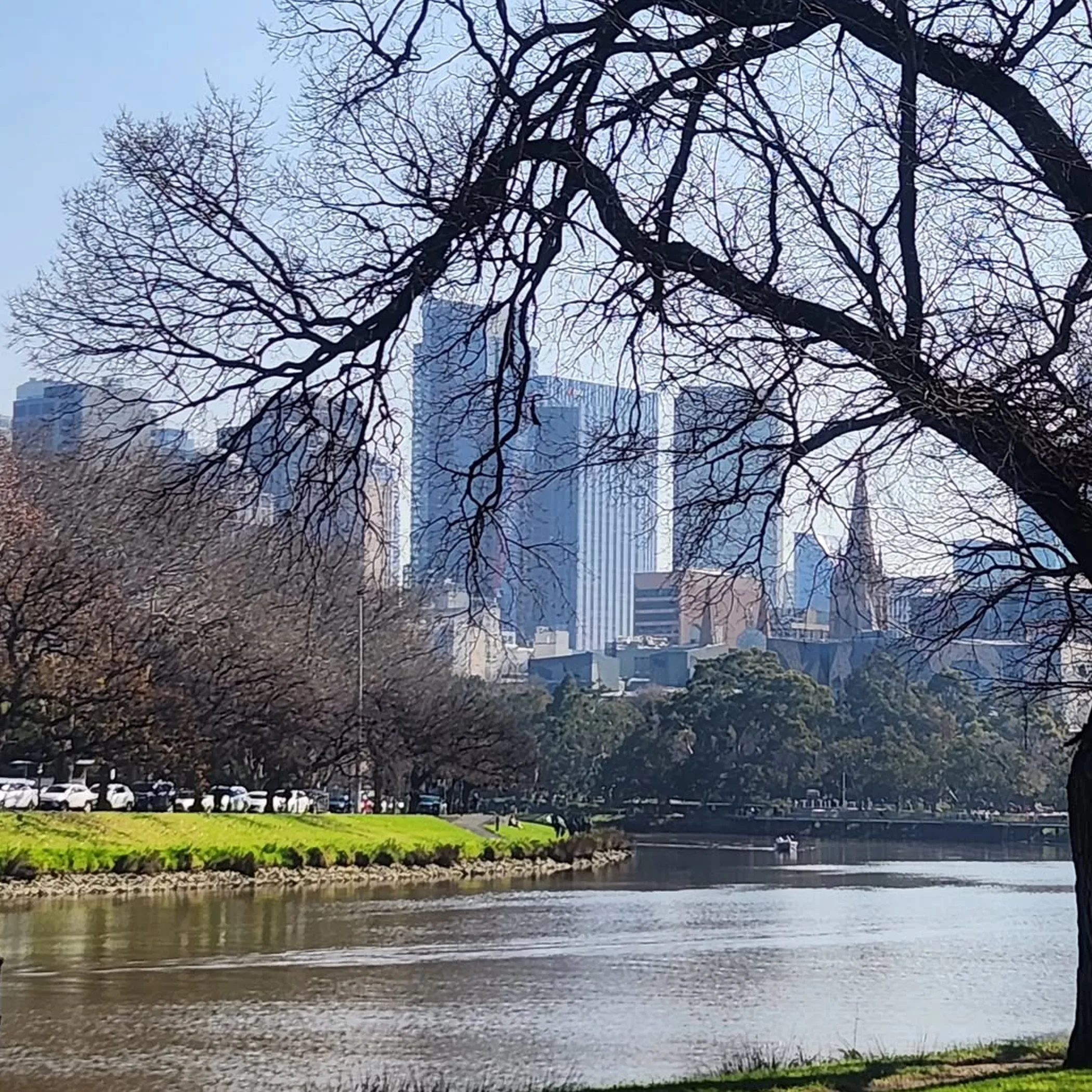
From the Mediterranean coast to the desert, South Australia has it all, including the dry agricultural country and the cooler ranges. Adelaide’s climate is a good enough reference but it does not tell you much of Coober Pedy or the Nullarbor. It is a fine state for shoulder-season road trips and the like, yet the exposed inland can be rough as guts in the summer.
Adelaide And The Hills
Hot and dry in the summer, cooler and wetter in the winter is the norm for Adelaide. The Hills are damper in the mornings in winter and cooler than the plains. For markets and a walk around the cellar doors spring and autumn are comfortable, summer demands you be up early and in the shade.
A forecast for Adelaide can be off by a few degrees here in the Hills where I am based, so put on a layer for an evening out or some of the higher roads. A flat white is no substitute for safety equipment, but it helps.
Flinders Ranges And The Centre
Large diurnal temperature shifts and scant annual rainfall are the lot of the Flinders Ranges and the Outback. Driving and walking are more agreeable in the cooler months; in summer the heat can render an open track unsafe and rain will close some roads.
Have plenty of water, fuel and navigation gear with you and see if a park pass or camping booking is in order. Put aside an emergency reserve in your budget for the fees, food and accommodation; remote travel is not the time to be running the account to the last dollar.
Northern Territory Wet And Dry Seasons
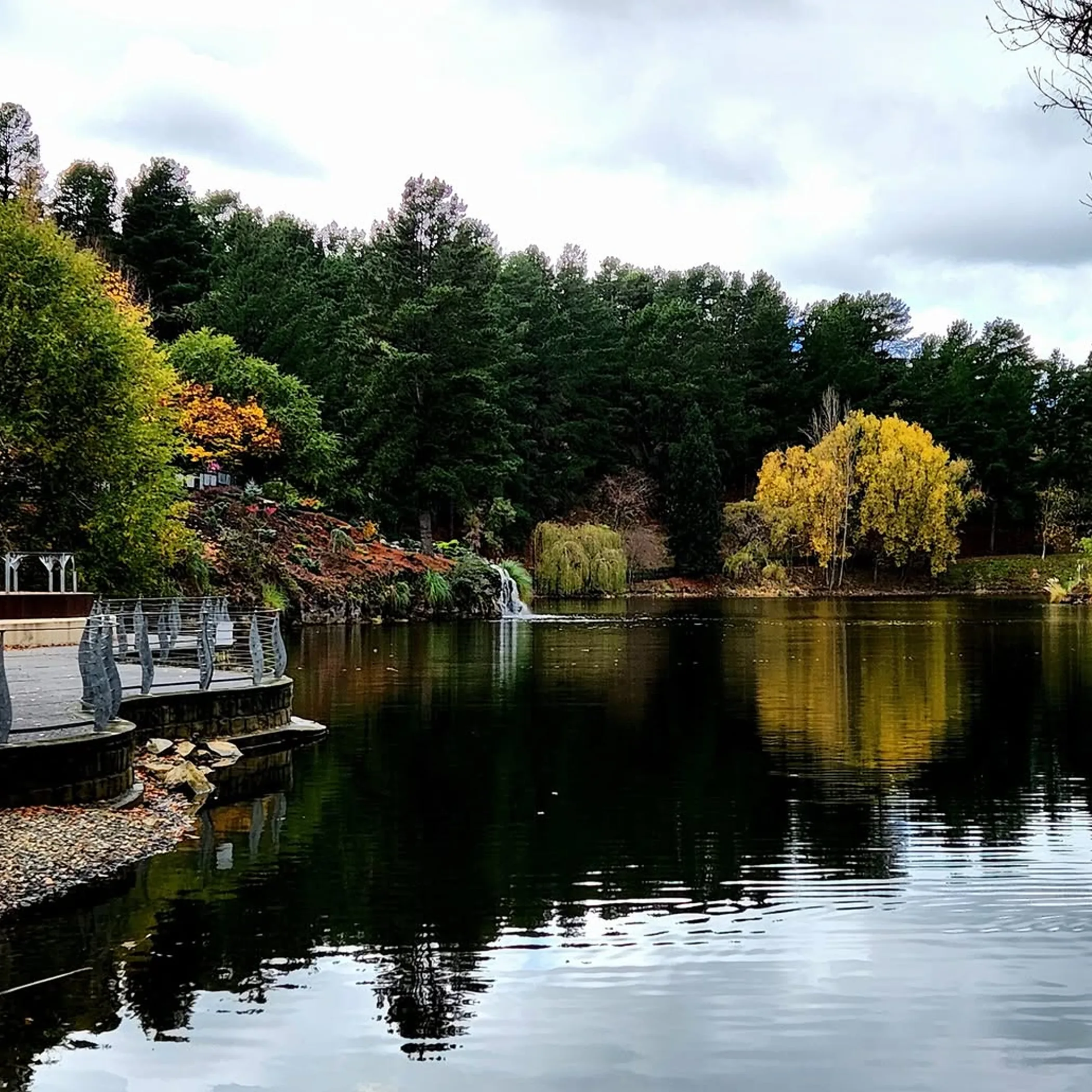
In the Top End of the Northern Territory there are two distinct times to travel, the Red Centre being a case of the hotter, drier inland. As for Darwin, the humidity is all anyone talks about in one month and forgotten in the next. One’s ideal season is a matter of how much heat one can stand and what takes one’s fancy, be it waterfalls or wildlife, cultural sites or an extended drive through the desert.
Darwin And The Top End
In Darwin the wet season is marked by thunderstorms, heavy downpours, high humidity and the odd cyclone. Roads and some attractions are apt to close, crocodiles put in an appearance at swimming spots. For outdoor sightseeing the dry season is more to be relied on, though do not expect to have your pick of tours and accommodation as they get snapped up.
There is no substitute for being croc-wise: heed the warnings, do not be fooled into thinking a still waterhole is without danger and use the NT Parks Pass as you should. Have sun protection and drinking water at hand. Should a storm be on the way, put off any exposed walk and make sure you are not taking cover under a lone tree.
Uluru And The Red Centre
This is a desert climate with its hot days, cold nights and little in the way of rain. You will find walking and the like less arduous in the cooler months if you can put up with the chill of a sunrise. In summer the heat will see activity confined to early morning and late afternoon.
Plan for transport between sites and time to rest and rehydrate. A coach tour takes the worry out of the vehicle and navigation; a hire car is more flexible. Adhere to the rules on cultural access and stay out of closed areas.
Australian Capital Territory Seasonal Guide
The elevation in Canberra gives this national capital a greater seasonal swing than most would anticipate from a temperate inland climate. Summers run warm to hot, winters are cool with cold nights.
Canberra Travel Conditions
You can put together a day of city attractions by car or local transport with ease, but the regional nature areas demand some forethought. See what the conditions are in the ranges before you go, and look at park closures and fire danger ratings.
A day in Canberra is better spent on a short nature excursion or a museum-and-lake itinerary than attempting to see every institution. Put on some layers and take water. The weather may seem benign from a café window but is another matter altogether on an open track.
Choosing Your Travel Season
To make the most of a trip to Australia it is better to plan by region than to book for “summer” and rely on the country average.
A word to the wise before booking:
- See that the season is right for the region and not only the headline destination.
- Look at the tides, rainfall, heat and humidity, any cyclone or bushfire alerts.
- Factor in extra time for roadworks, long drives and changing surfaces.
- Have on hand a weatherproof layer, good footwear, water and something for the sun.
- And just before you travel confirm your bookings, permits and park passes.
Expectation Versus Reality
It is easy to think winter is cold across the board. In fact the Red Centre can be icy after dark yet hot in the sun, Brisbane is mild and Darwin is warm and dry.
Or that the wet season is just a case of afternoon rain. It has a way of affecting emergency plans, wildlife, the roads and even your tour. Then there is the matter of distance; what looks short on a map can be a slow, unforgiving drive on a remote Australian road if you are not properly prepared.
Frequently Asked Climate Questions
Travellers comparing states and climate zones put these to us often. Consider the answers here as general guidance, but let official warnings and the local forecast be the final arbiter.
What Are Australia’s Eight Climate Zones?
The usual eight-zone breakdown runs from equatorial and tropical to alpine and Mediterranean, with grassland, desert, subtropical and temperate in between. One will also find finer distinctions in the Köppen system so the boundaries are a function of the method and map.
Which State Has The Best Climate?
Hard to say objectively. Those who want dry summers will be content in Perth or Adelaide, a warm winter is on offer in Brisbane and Tasmania is for the cooler set. What matters is your own comfort and tolerance for humidity rather than some national ranking.
What Are Australia’s Main Weather Patterns?
The north has its wet and dry seasons, the south is defined by the differences between spring and winter and the rest. Inland you will find drier conditions and wider temperature differentials between day and night. The coast is milder but subject to wind and storms.
Is Australia Or Texas Hotter?
Not in any uniform sense. Both are large and varied. You will find extreme heat and humidity in northern Australia and very high daytime readings in the interior. But then again Texas is dependent on the season and where you are, so to compare them properly requires specific dates and places.
Where Can I Check Reliable Forecasts?
For official Australian warnings, outlooks and observations one should turn to the climate data and forecasts of the Bureau of Meteorology. When venturing into more remote areas it is prudent to consult local emergency information as well as road authorities and state park services.
Plan Around The Place
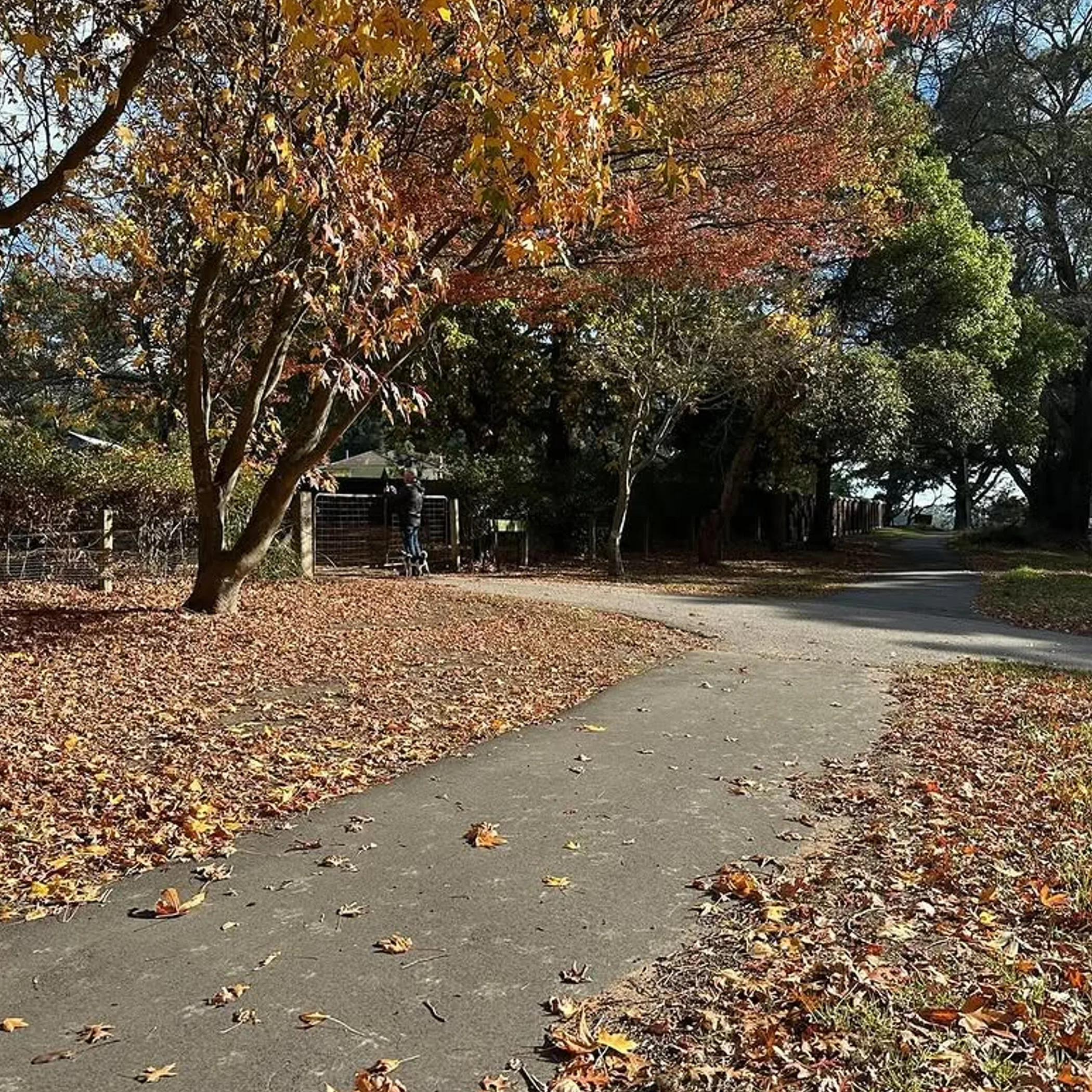
You will see the logic in the way the climate varies from state to state in Australia once you do not regard the whole continent as a single destination. A foray to the north calls for an awareness of the wet and dry seasons; the south demands some flexibility and layers; and any time spent in the Outback requires that you put in the work to prepare for the heat, distance and services there is.
I have a straightforward approach: pick your region and go from there, looking at its seasonal risks and the climate and access it offers. Make sure water, fuel and permits are in order and have a sensible way back arranged. But allow for the weather to make the last call on things, as it has a habit of doing.
